Imagine a world in which the vehicles body includes a battery as well and wings on an airplane are able to store energy needed for flight. And where electronic devices are more light and more efficient than previously. This isnt something you can only imagine in the world of science fiction and is actually the future for Structural Battery Composites.
We are on the edge of a technology transformation by 2025 these revolutionary technologies are poised to demolish the traditional boundaries of the structure and storage of energy and will open the door to incredible advancements across a range of fields.
The ultimate guide to guide you through the complex world that is Structural Battery Composites by taking a deeper dive into their structure and the research that underpins the material the vast possibilities they hold and the risks they face on their way towards their wide spread adoption.
Multifunctionality is a long standing essential element for engineers and scientists. In an environment that is increasingly strained due to the need for higher effectiveness and sustainable the capacity of one material that can perform multiple tasks isnt just an innovation it is a requirement. Traditional energy storage devices including conventional batteries have served as essential to the success of the electronic revolution.
But they do have an important drawback which is their weight. The “parasitic mass” adds to the weight total of the system but does not contribute to its structural stability. Structural Battery Composites effectively solve this issue through the integration of energy storage directly in the load bearing components of the structure.
This modification in design will promise the dawn that will see “massless” energy storage in which the source of energy is an integral part of the structure.
The evolution of Structural Battery Composites from a concept in the lab to an actual technological challenger is an example of the constant pursuit of new ideas in the fields of electrochemistry material science as well as engineering of composites. Initial research provided the basis to understand how you can imbue the structural material with electrochemical characteristics.
As of 2025 were witnessing an increase in the research and applications of these extraordinary material fueled by the pressing need for lightweight and energy efficient solutions across a range of industries from aerospace automotive consumer electronics as well as green energy infrastructure. This report will look at new technologies that have made Structural Battery Composites an actuality.
What are Structural Battery Composites? Unveiling the Science Behind Multifunctionality
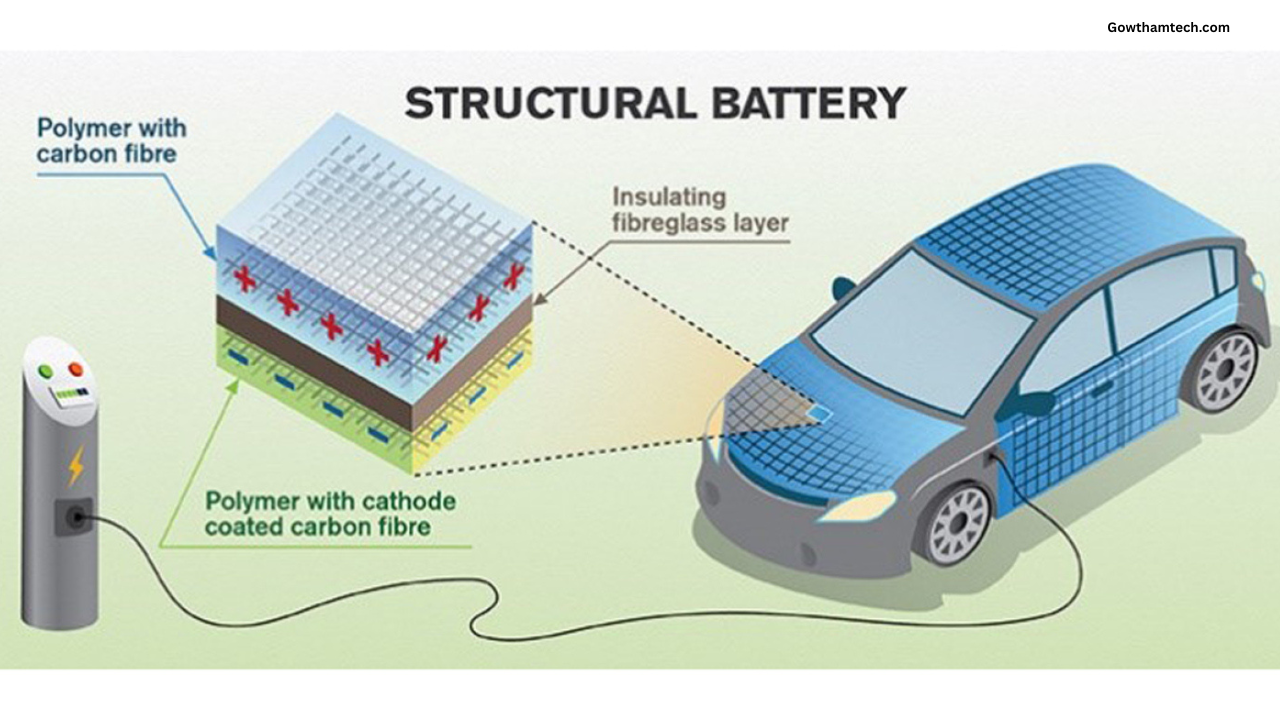
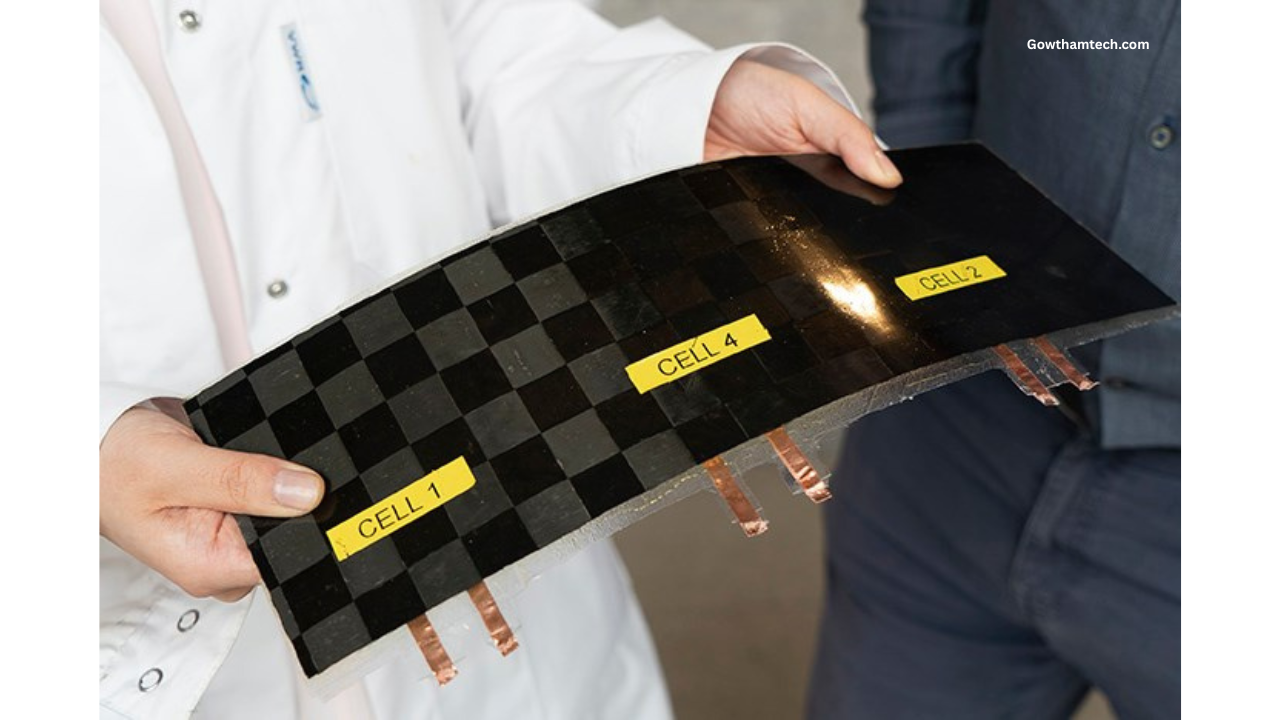
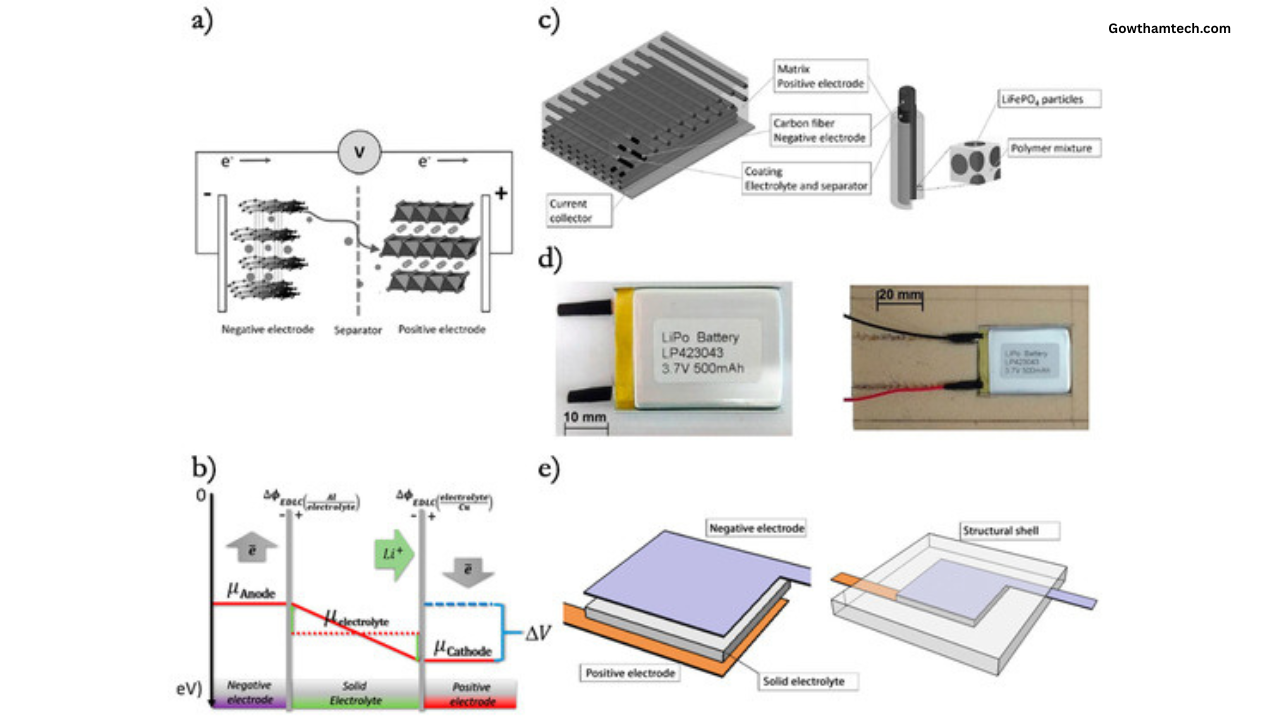
In essence the Structural Composite is a material with multiple functions that can simultaneously support mechanical loads and conserves electrochemical energy. Consider it to be an intricate sandwich in which every component is carefully constructed to improve structural strength and power storage capability of the entire composite. The two functions are achieved via a savvy incorporation of battery elements within an extremely durable light composite.
The basic components of the Structural Composite Battery like those of the traditional lithium ion battery
- anode (Negative electrode): This is the location where lithium ions can be stored while the battery is being fully charged. This is a major departure from the traditional battery Structural Battery Composites often employ carbon fibers as their electrode. Carbon fibers have been famous for their remarkable weight to strength ratio which makes them a perfect structural material. In addition the carbon based structures allow the intercalation of lithium ions which allows the use of carbon fibers as an electrode active material. Their dual purpose of carbon fibers is the essential component in the Structural Battery Composites idea.
- Cathode (Positive Electrode): This electrode releases lithium ions when charging and then accepts them when it is time to discharge. The cathode is a component of Structural Battery Composites usually is composed of liquid based material for example Lithium Iron Phosphate (LFP) and Lithium Nickel Manganese Oxide (NMC) which is coated over a conductive collector that could also comprise made up of carbon fibers or a metal foil that is integrated into the structure of the composite.
- Separator For preventing a circuit short between the cathode and cathode a separator becomes vital. For Structural Battery Composites the separator will typically be porous thin and ionically conductive but also an it is also an electrically insulating material like a glass fiber weave or a membrane made of polymer that is embedded into the matrix of composite. It should be strong enough so that it can withstand the stress in the structure.
- Electrolyte: It is the substance that aids in the transfer of lithium ions from the cathode and the anode. The most important innovation for Structural Battery Composites is the invention of the structural electrolyte. Its typically an inherently solid or quasi solid resin which not only conducts the ions but also functions as the matrix for the composite binds all components and transmitting the mechanical burdens. The solid state properties increase the security of batteries through the elimination of the liquid electrolytes in a number of conventional batteries.
The synergy among these components is the reason that is what gives Structural Battery Composites the remarkable characteristics they possess. Carbon fiber reinforcement gives the strength and stiffness and the electrochemical components offer energy storage capabilities.
The matrix of polymers serving as an electrolyte and a binder acts as the glue that keeps this multifunctional unit to one another. This results in one strong substance that is durable and energy rich. This is an authentic example of the ingenuity and creativity of material science. Development of new Structural Battery Composites is one of the major areas of study by 2025.
The Unparalleled Advantages of Structural Battery Composites: A Lighter and More Efficient Future
The attraction for Structural Battery Composites is their ability to change the design of products and performance across an extensive range of industries. One of the main benefits that drives that prompted their creation is the substantial reduction in weight.
Mass Reduction and Enhanced Efficiency:
With the elimination of the need for separate battery packs that weigh a lot Structural Battery Composites could lead to significant reductions in overall mass of a device. When it comes to electrical vehicles (EVs) This weight reduction can translate directly to increased range better acceleration and improved overall efficiency. A smaller airframe will result in less energy consumption and longer flights which is a crucial element in the pursuit of environmentally sustainable aviation. Experts in the field of 2025 expect that the wide acceptance for Structural Battery Composites could result in savings of weight by up to 50% for certain types of instances an incredibly exciting opportunity. The ability to use Structural Battery Composites in enabling “massless” energy storage is an important selling point.
Improved Volumetric Efficiency and Design Freedom:
Beyond the weight savings Structural Battery Composites have a higher volumetric efficiency. In integrating the battery within the structure area is liberated and can then be used to serve other functions like increased the capacity of cargo in vehicles or the addition of electronic components to the device. The integration of the battery also gives engineers and designers with an unprecedented amount of liberty.
The design and shape of devices are no longer governed by the rigid bulky design of traditional batteries. Instead the storage of energy is able to be integrated seamlessly into curving panels intricate frames as well as other elements of the structure which opens up an array of opportunities for creative and attractive designs. Design flexibility provided through Structural Battery Composites is an important benefit.
Enhanced Safety and Durability:
The inclusion of solid state polymer electrolytes within many Structural Battery Composites greatly enhances their security in comparison to conventional lithium ion batteries using flammable liquid electrolytes. There is a lower risk of leakage and thermal runaway is significantly diminished. Additionally the inherent strength of composite materials make Structural Battery Composites less susceptible to damage from mechanical and vibration an important aspect to consider when working in harsh areas like aerospace or automotive.
Potential for Cost Reduction in the Long Term:
Although the initial costs for manufacturing for Structural Battery Composites present a problem however there is an excellent chance of cost savings over time. In reducing the overall structure and decreasing the amount of components used the manufacturing process can be improved.
As technology advances as economies of scale can be achieved as a result the price for manufacturing the multifunctional materials is likely to drop which will make the material a more economical alternative. Long term benefits in cost for Structural Battery Composites should be considered.
The sum of these advantages position Structural Battery Composites as a revolutionary technology with potential to transform whole industries. A shift toward lighter better performing safe product is an imperative for all industries and Structural Battery Composites provide the key technology for this change.
The Building Blocks of Innovation: Materials Science at the Heart of Structural Battery Composites
The efficiency that is achieved by Structural Battery Composites is directly tied to the material that are used to construct them. A careful selection and the engineering of these materials is crucial to achieve the ideal equilibrium of strength in mechanical and electrochemical efficiency. By 2025 developments within this field is more active than ever before with scientists investigating a variety of new material.
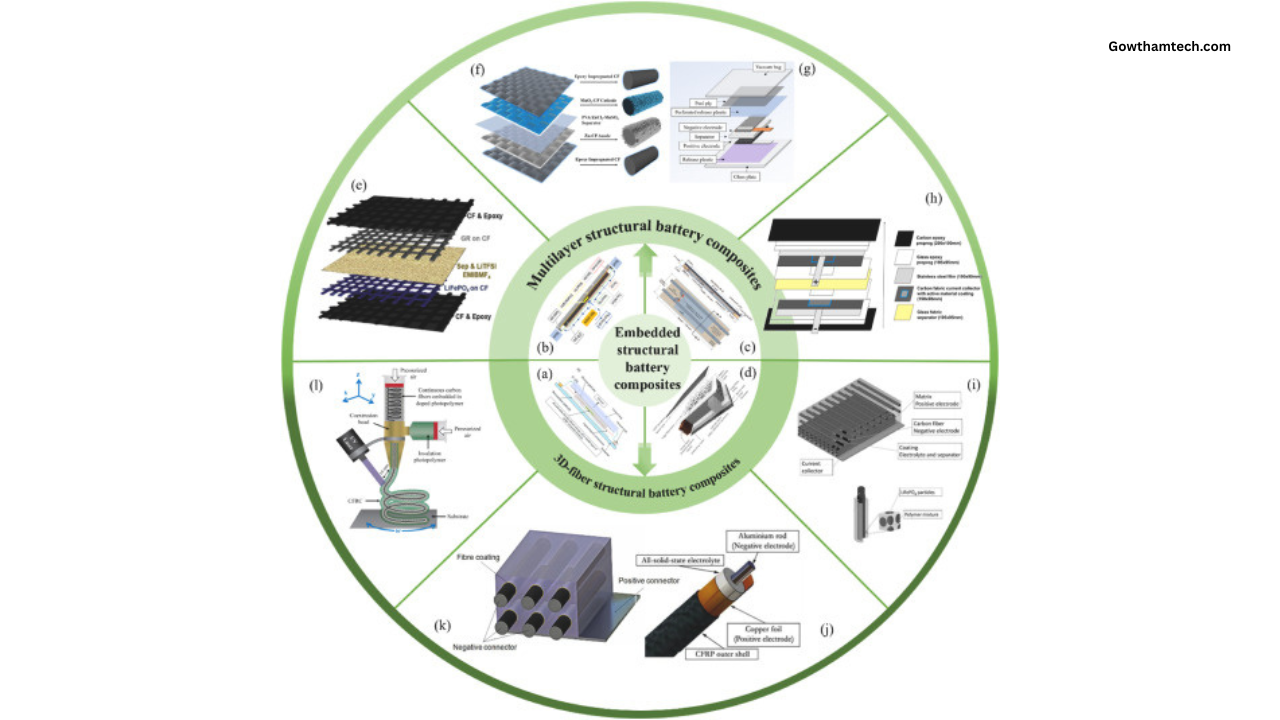
The Multifunctional Role of Carbon Fibers:
Carbon fibers are undisputed star in this Structural Battery Composites the world. They have exceptional mechanical properties such as high stiffness tension strength and a lower density makes them an ideal material for reinforcement for composites that are lightweight. The thing that makes them unique in this particular application is the ability they have to serve as an anode for the battery.
Carbon fibers enables them to intercalate lithium ions. This is the primary process for the energy storage process in a lithium ion battery. Researchers are constantly working to improve the microstructure of carbon fibers in order to increase the capacity of lithium ions stored in them without losing their strength. Carbon fibers have two functions. fibers is the key factor to Structural Battery Composites.
Advanced Cathode Materials for High Energy Density:
The selection of the cathodes materials is a crucial factor in the determination of the energy density in Structural Battery Composites. Common choices include lithium iron phosphate (LFP) known for its safety and long cycle life and nickel manganese cobalt (NMC) oxides which offer higher energy densities.
The difficulty is in integrating these active materials within the overall structure. This can be accomplished through the application of cathode materials with a conductor substrate like carbon fibers or thin metal foil. This is integrated into the composite. Achieving high performance cathode material is vital to advance Structural Battery Composites.
The Quest for the Perfect Structural Electrolyte:
The structural electrolyte may be the most important and demanding element of the Structured Battery Composite. It has to meet a stringent list of specifications:
- High Ionic Conductivity For a battery to have optimum efficiency electrolytes has to permit the quick transportation of lithium Ions.
- Strong Mechanical Properties as the matrix of composite material it has to be stiff and strong enough to allow loads to be transferred between the fibers that reinforce it.
- Excellent Adhesion It should be able to bond with electrodes and separator in order to preserve the strength of the structure.
- Electrochemical Stability This must stay steady across a broad spectrum of voltages in order to avoid degrading during the cycle of batteries.
- Security: Ideally it is not flammable and should have an excellent thermal stability.
Solid polymer electrolytes as well as gel electrolytes made of polymer are among one of the best candidates for structural electrolytes. Researchers are investigating a variety of polymer chemistry and also the use of fillers made from ceramic to improve both the conductivity of ions and their mechanical characteristics of the compounds. A strong and highly conductive structural electrolyte is the main area of research for the coming years in Structural Battery Composites.
Innovative Separator Materials:
Separators in the composite of structural batteries should be smooth thin and robust mechanically. Glass fibers are an ideal option due to their superior thermostability and mechanical properties. The polymer membrane is further being researched as a possibility of providing an incredibly flexible and thinner alternative. The separator should be carefully placed into the composite in order for total electrical isolation between anode and the cathode while also allowing the efficient transport of ions.
Innovations in material used in Structural Battery Composites can be seen as a testimony to the multidisciplinary nature of this area. The advances in the field of materials research are directly translating to better performance and more viability of these innovative material. Continuous creation of new materials is a major element in the continued development for Structural Battery Composites.
From Lab to Factory: The Manufacturing Processes Behind Structural Battery Composites
The transformation to Structural Battery Composites from laboratory curiosity into commercially viable products is contingent on the creation of flexible and efficient manufacturing methods. The production of the multi functional material poses a particular set of issues because it demands an exact integration of electrochemical elements within the structure of a composite. A variety of manufacturing methods are being studied and refined for 2025 to tackle these requirements.
Vacuum Assisted Resin Transfer Molding (VARTM):
VARTM is widely utilized method in the industry of composites and was adapted to production of Structural Battery Composites. This process is where the reinforcement material that is dry (carbon fiber anode glass fiber separator and cathode coated fabrics) are laid on a mold.
The whole assembly is put in a sealed vacuum bags. The electrolyte of the liquid polymer resin is later infiltrated into the preform under the influence of the vacuum. This helps eliminate air voids and also ensures total impregnation of fibers. The component is then dried by the use of heat to fully solidify the matrix of polymer. VARTM is an affordable and scalable process ideal for the production of huge and complicated parts. This makes it a viable option to mass produce Structural Battery Composites.
Wet Lay up and Prepreg Lamination:
Wet lay up is an easier and more manual method in which the liquid resin is applied to the reinforcement fabric in a hand held manner before they are set in the mold. Although it is less precise than VARTM but its the most cost effective way to create models and components of a smaller scale.
Prepreg Lamination involves the utilization of reinforcement fabric which have been pre impregnated an uncured resin. The sheets of prepreg are shaped and cut before being stacked into molds and later dried under pressure and heat within an autoclave. This procedure offers a significant level of control over percent of fiber to resin and is able to produce top quality performance extremely efficient Structural Battery Composites. But the price of the prepreg material and curing in an autoclave is expensive.
Additive Manufacturing (3D Printing):
Additive manufacturing also known as 3D printing is a rapidly developing technology with huge potential to the future of Structural Battery Composites. 3D printing can enable the creation of intricate geometric shapes with battery like functionality integrated that offer unimaginable design flexibility. Researchers are currently exploring ways to 3D print the different elements of a structural battery which includes the electrodes and the electrolyte. Although still in the initial phases of development 3D printing is likely to revolutionize the production of Structural Battery Composites and allow for the design custom designed and optimized multi functional devices.
The process of manufacture will depend on many aspects such as the degree of complexity of the component and the performance specifications desired as well as the desired production capacity. With the increasing demand of Structural Battery Composites expands we could expect to see continued improvements in manufacturing technology that will lead to better quality as well as lower prices and an increase in production. Scalability of manufacturing processes is the most important aspect for the wide spread adoption of Structural Battery Composites.
Diverse Applications of Structural Battery Composites
The distinctive combination of properties that are offered through Structural Battery Composites provides a wide range of possibilities for possibilities for applications. Wherever dimensions weight and effectiveness are crucial designs these multi functional substances have the capability to be a huge impact.
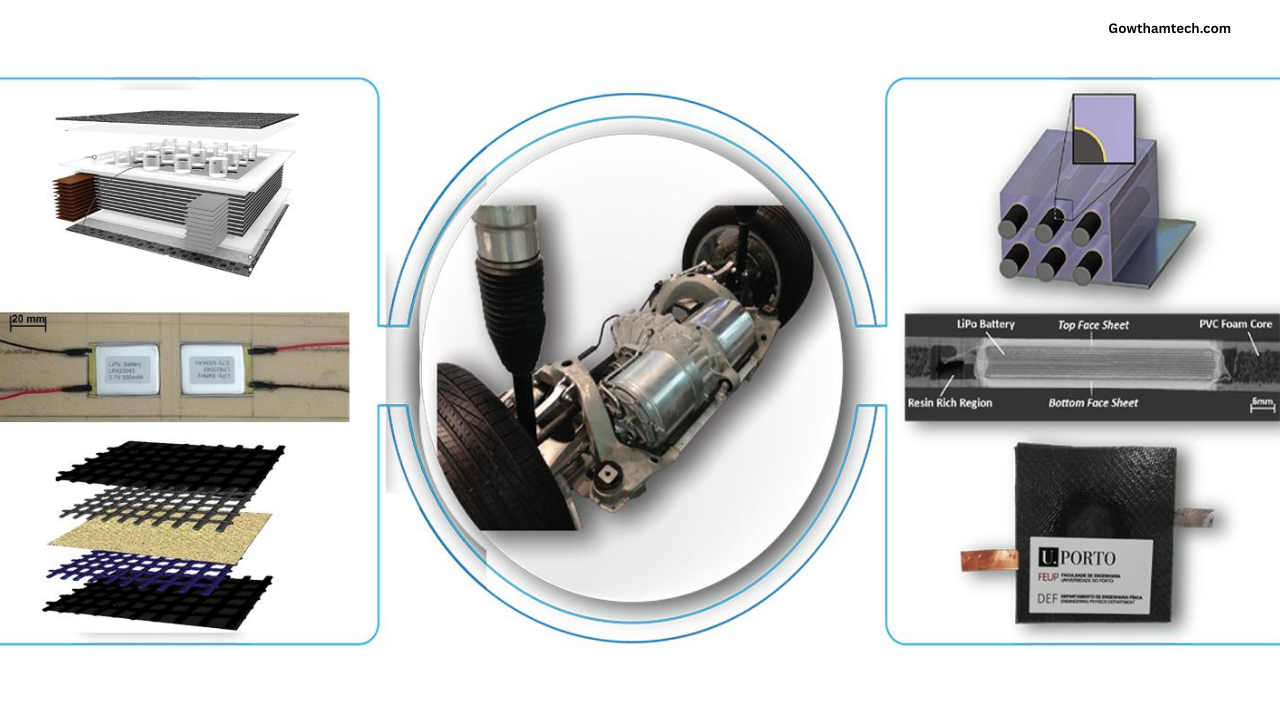
Automotive Industry: Revolutionizing Electric Vehicles:
Automotive is among of the markets that is most likely to be profitable to develop Structural Battery Composites. In replacing the conventional car body panels including the roof floor and door panels with Structural Battery Composites and the total vehicles weight can be drastically reduced. This translates into a more extended time between charges which is a major factor in the adoption of EVs by consumers.
Space saved through the elimination of traditional batteries could be utilized to build an even more comfortable and spacious inside. In addition the enhanced strength of the structure of cars made of Structural Battery Composites could improve crash safety. Large automotive companies and startup firms invest heavily in the research and development of Structural Battery Composites for the future EVs.
Aerospace and Aviation: Flying with lighter Aerospace more efficient and fuel efficient aircraft
In the aerospace sector every gram of weight that is saved is crucial. Structural Battery Composites could transform the design of aircrafts by providing “massless” energy storage.
The wings the fuselage as well as other components of the structure can all be converted into batteries supplying power to the systems of an aircraft and helping to propel the future hybrid and electric aircraft.
The result would be significant reductions in fuel consumption as well as emissions a primary ambition for the aviation industry. The utilization in the development of Structural Battery Composites are also being considered in the field of unmanned drones (UAVs) as well as satellites in which weight and energy storage is a major concern.
Consumer Electronics: Thinner Lighter and More Powerful Devices:
The constant trend toward smaller slimmer and lighter electronic devices makes Structural Battery Composites an attractive choice for the market. The case of a smartphone laptop or tablet can be constructed from Structural Composite which provides both the structural protection as well as a substantial improvement in battery life. The result is that there will be no need for an external battery and free the space to accommodate other components as well as making it a smaller and sleeker style. The possibilities for Structural Battery Composites in electronics for consumers is enormous.
Renewable Energy and Grid Storage:
The light and robust nature that is Structural Battery Composites is why they are suitable for use in the energy sector that is renewable. Like for instance the blades of wind turbines could be constructed from these materials which allows them to store the energy produced during times of excessive wind to later be used. This could help reduce the fluctuating nature of wind energy.
Structural Battery Composites can also be utilized in the stationary storage of energy that are connected to grids offering the most robust and efficient solution to store renewable energy.
Other Potential Applications:
The applications that could be made for Structural Battery Composites go beyond the major sectors. They can be utilized for a variety of items such as:
- Electric ships and boats: to reduce weight and improve distance.
- Sports goods: to create lighter and more efficient equipment for example tennis rackets or bicycles.
- Devices for medical use: for the development of smaller more durable implantsable devices.
- Wearable technology to make lightweight and comfortable fabric that stores energy.
While the technology continues to advance and the price of manufacture is reduced we are likely to be able to see Structural Battery Composites getting used in a wide variety of uses defining the future of the design of products as well as energy storage. The numerous applications of Structural Battery Composites will demonstrate their revolutionary potential.
Overcoming the Hurdles: The Challenges on the Road to Widespread Adoption
Despite the enormous potential in Structural Battery Composites There are a few issues which need to be resolved prior to their widespread used. Researchers and engineers are striving to conquer these challenges.
Balancing Mechanical and Electrochemical Performance:
One of the biggest problems is to achieve a balanced equilibrium between both the mechanical and electrochemical properties of the material. The goal of optimizing the materials rigidity and strength can result in a decrease in the capacity to store energy or the reverse is also true.
In other words an increase in the volume percentage of carbon fibers may enhance the mechanical properties but could reduce the amount of energy stored by the composite. The search for the ideal balance point which meets the requirements for structural integrity as well as energy storage is an important subject of research. The trade off between structural integrity and energy storage is the main issue in the design of Structural Battery Composites.
Ensuring Long Term Durability and Reliability:
Structural Battery Composites will experience electrochemical and mechanical stress throughout their life span. It is essential to comprehend how these strains affect the longevity and reliability of the materials. Problems like cracking delamination or degrading the electrolyte have be studied thoroughly and addressed. Making accurate predictions of the durability of Structural Battery Composites in the real world is an important research goal.
Manufacturing Costs and Scalability:
Like many other new technology the production costs for Structural Battery Composites are quite high. The materials used in the manufacturing process specifically carbon fiber can be expensive and manufacturing process can be complex and take a long time.
The reduction of the cost of production by the improvement of better processes and using lower cost components is crucial to the viability commercially for Structural Battery Composites. Scaling up production in order to meet the requirements of industries such as automotive and aerospace poses a major problem. The cost effectiveness and the scalability in Structural Battery Composites is paramount.
Safety and Recycling:
Although Structural Battery Composites that contain solid electrolytes provide better security compared to conventional batteries its important to be sure that theyre safe in all conditions of operation such as crash situations. It is essential to develop robust battery management system (BMS) that monitor the health status for the batterys structural component is essential. Additionally finding efficient and sustainable methods of recycle Structural Battery Composites after their lifespan is a crucial aspect of their environmental footprint.
The solution to these problems will require a coordinated effort from engineers researchers and companies. But the benefits from overcoming these obstacles are enormous and will pave the way to a brand new generation of more lightweight efficient and environmentally durable product. Continuous efforts to conquer the obstacles that are associated with Structural Battery Composites can be seen as a catalyst for innovation in this sector.
The Road Ahead: The Future of Structural Battery Composites in 2025 and Beyond
The future for Structural Battery Composites is extremely promising. When we think ahead to 2025 it is possible to expect many exciting advancements which will enhance their performance as well as expand applications for these groundbreaking material.
Next Generation Materials for Enhanced Performance:
The development of new and better materials to be used in Structural Battery Composites is the main focus of the near future. It includes research into:
- graphene and various other two dimensional materials They have the capability to greatly enhance both the electrical and mechanical characteristics that are characteristic of Structural Battery Composites.
- Higher cathode and anode with higher energy density material: The quest for batteries that are able to be more efficient in storage and are compact and lightweight container is the constant source of development.
- Self healing Polymers: The creation of self healing structural electrolytes can enhance the lifespan and durability of Structural Battery Composites.
Integration of Other Multifunctional Capabilities
Multifunctionality could be expanded beyond the functional energy storage as well as structural ones. In the future Structural Battery Composites can also be able to incorporate additional functions like:
- Sensors: The integrated sensors can be able to monitor the health of the structure and battery at any time.
- Energy harvesting The material could be designed to capture energy generated by the vibrations of temperature or temperature gradients.
- Thermo management This material is developed to absorb heat faster thus making battery safety and performance better.
Advanced Manufacturing and Digitalization:
Innovations in manufacturing like the development of 3D printing in Structural Battery Composites allows for the design of more intricate and efficient designs. Digitalization of the manufacturing and design procedure with the help of sophisticated simulation tools as well as digital twins will be a key factor in speeding up the creation and use of the material.
A More Sustainable and Circular Economy:
The research and development process of Structural Battery Composites is in line with more general goals of sustainability in society and a circular economics. In creating lighter and efficient products that use less energy they will help decrease our carbon footprint. Additionally the creation of efficient recycling methods to Structural Battery Composites is essential to ensure long term sustainability.
To conclude Structural Battery Composites provide a revolutionary change in how we approach the materials we use storage of energy and the design of products. As technology develops and new challenges are overcome it is likely that we will find these materials playing a greater contribution to shaping a environmentally sustainable productive and technically advanced future.
The path of Structural Battery Composites has just begun and the path ahead will be filled with thrilling possibilities. Innovation continues to be made within the sector of Structural Battery Composites promise a time when our planet is powered by the structure that we live in. This is the definitive information guide on Structural Battery Composites in 2025 will reveal a breakthrough technology that is on the verge of changing our lives.