The race to stop the effects of climate change is at the point of no return. The levels of carbon dioxide in the atmosphere increase humans are desperately searching for new sustainable as well as sustainable methods for reducing this potent greenhouse gas.
As engineered solutions such as direct air capture (DAC) plants attract a significant media attention an even quieter and more in depth revolution is developing in the laboratories of all ecosystems. This transformation is powered by one of the worlds smallest but most potent allies: Carbon Capturing Microbes.
The microscopic creatures that have been honed by biological processes over billions of years present a unique possibility to bring balance back into the carbon cycle.
This comprehensive guide for 2025 dives deep into the realm of Carbon Capturing Microbes exploring the research the major participants cutting edge technologies and the huge potential they offer for a sustainable and long term future. Do not be deceived by the mechanical aspect technology; the carbon capture future is afoot.
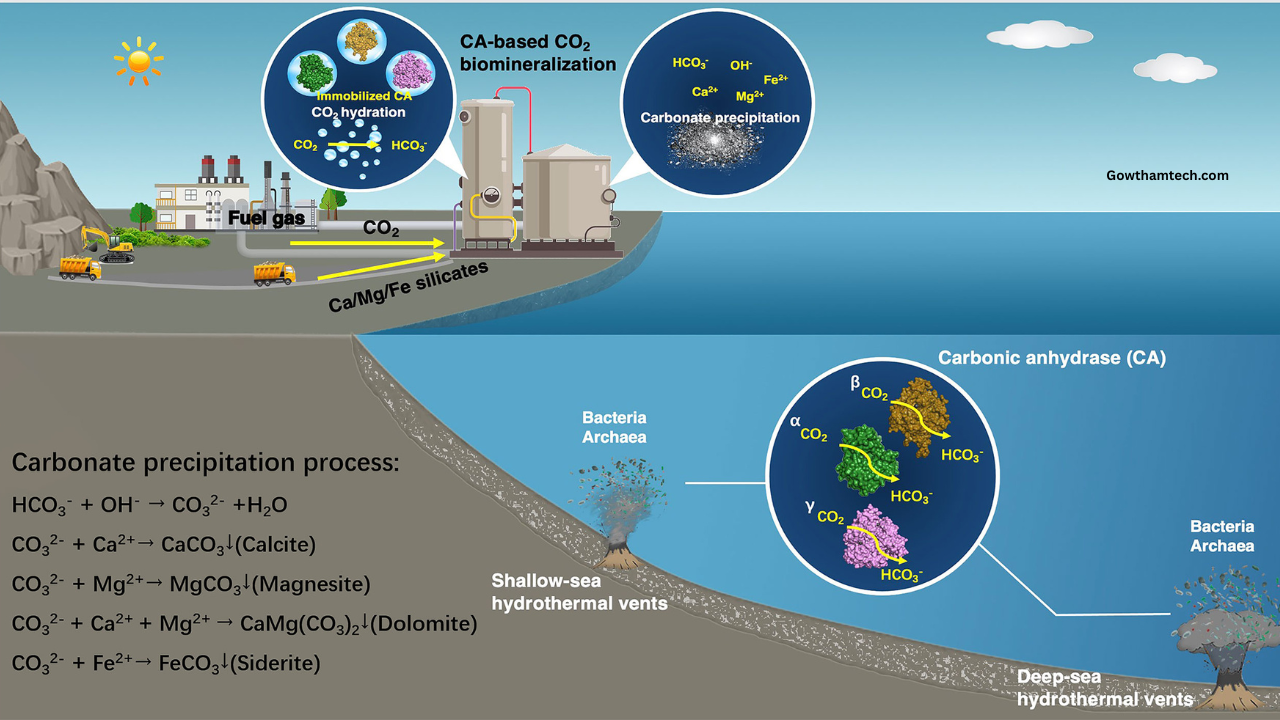
The phrase Carbon Capturing Microbes refers to a wide variety of microorganisms comprising bacteria archaea microalgae and fungi which are active in absorbing carbon dioxide (CO2) in the atmosphere or in aquatic environments and transform CO2 into organic matter or in stable forms of minerals.
The first of natures carbon sequestration specialists. The process also known as biological carbon fixation is the foundation of life on Earth.
Although plants are the largest evident carbon sequesterers however microbes are able to perform this task at a massive scale as they influence the biogeochemical cycle of the world in ways that were only just beginning to comprehend.
The tiny energy sources arent an isolated group. They use a range of strategies for metabolic carbon fixation. Two main pathways include:
- Photosynthesis: It is probably the most widely known method that is widely used by plants and most importantly photosynthesis by microbes such as microalgae and cyanobacteria. By using sunlights energy source they convert CO2 and water to glucose (a type that is organic carbon) as well as oxygen. Oceanic phytoplankton is a form of Carbon Capturing Microbes are responsible in producing about half oxygen on Earth and bringing enormous amounts of CO2 in the atmosphere.
- Chemosynthesis: In contrast to their solar loving cousins the chemosynthetic microbes get energy from chemical reactions that involve inorganic compounds (like ammonia hydrogen sulfide or iron) instead of sunlight. They use this energy to transform CO2 to organic molecules. The organisms flourish in extreme conditions that are not able to receive sunlight for instance deep sea hydrothermal sludges and subterranean ecosystems. This demonstrates their incredible flexibility Carbon Capturing Microbes.
Knowing the fundamental mechanisms is essential to unleash the power of these organisms. Scientists arent just watching the natural phenomenon; theyre actively trying to increase and exploit the capabilities of these amazing Carbon Capturing Microbes to tackle our current climate crises.
Science Behind Microbial Carbon Sequestration
In order to fully comprehend the potential that lies within Carbon Capturing Microbes we must take a look at the intricate biochemical mechanisms that are a part of the single celled structure.
They dont simply “eat” carbon dioxide; they put it through various complex enzyme catalyzed reactions which change the gas from volatile to a solid stable shape.
Biochemical Pathways: The Engines of Carbon Fixation
Many distinct pathways for carbon fixation are a result of evolution across different microbiome lineages. The most dominant is the Calvin Benson Bassham (CBB) Cycle utilized by all photosynthetic eukaryotes and a vast number of bacteria including cyanobacteria.
In this cycle the enzyme RuBisCO (Ribulose 15 bisphosphate arboxylase/oxygenase) plays the starring role. It binds to a molecule of CO2 then “fixes” it onto a five carbon sugar.
This triggers the chain of reactions to result in a three carbon sugar that serves as the building blocks for important molecules such as glucose protein and the lipids. RuBisCOs effectiveness RuBisCO is the main focus of research into genetic engineering in order to produce more efficient Carbon Capturing Microbes.
But the ingenuity of nature does not stop at that point. There are other pathways that demonstrate the resiliency of microbes metabolism:
- Reductive Acetyl CoA Pathway (Wood Ljungdahl Pathway): It is among the most efficient and energy efficient carbon fixation pathways that are known. It is utilized by some bacteria as well as archaea. It combines two CO2 molecules to create acetyl CoA. It is an essential molecule of cell metabolism. This is a particularly intriguing pathway in industrial settings since it does not require illumination and can be driven by a variety of energies such as hydrogen gas.
- In reverse the Krebs Cycle (rTCA Cycle) In contrast to the normal Krebs cycle generates energy through dissolving organic molecules and then releasing CO2 certain microaerophilic and anaerobic microbes may use this cycle to reverse it. They make use of the energy of CO2 to incorporate water in order to make carbon compounds. This is a effective mechanism to Carbon Capturing Microbes.
From Gas to Solid: Biomineralization
Beyond the production of organic biomass certain Carbon Capturing Microbes can lock carbon in geological timescales by biomineralization. Certain bacteria by their metabolic activity are able to change the chemical conditions in the surrounding area (for example they can increase the pH)
that causes the minerals that are dissolved to form from the solution. The process may result in highly solid carbonate minerals such as the calcite (CaCO3) and magneticsite (MgCO3).
These microbes transform dissolved CO2 into rock. This process naturally occurs and has been the source of inspiration for emerging technology like self healing cement in which bacteria are placed to form calcite which is then used to seal cracks storing carbon within the process.
Geological sequestration is the important benefit associated with certain Carbon Capturing Microbes offering a longevity that carbon storage from biomass on its own is not able to match.
Key Types of Carbon Capturing Microbes and Their Mechanisms
The diversity of the microbial community is immense However a handful of organizations stand out as the top contenders for carbon capture. In 2025 the research and development team is concentrated on improving the key roles of these participants.
Cyanobacteria (Blue Green Algae)
Cyanobacteria are perhaps the largest class in Carbon Capturing Microbes on the planet. They are among Earths oldest living organisms the evolution of their oxygen based photosynthesis 2.5 billion years profoundly transformed the climate of our planet and opened the door to more complex living.
- Mechanism: They rely on their own Calvin Cycle powered by photosynthesis. Theyre extremely durable being found in nearly every habitat from oceans to freshwater lakes to desert soils as well as Antarctic rocks.
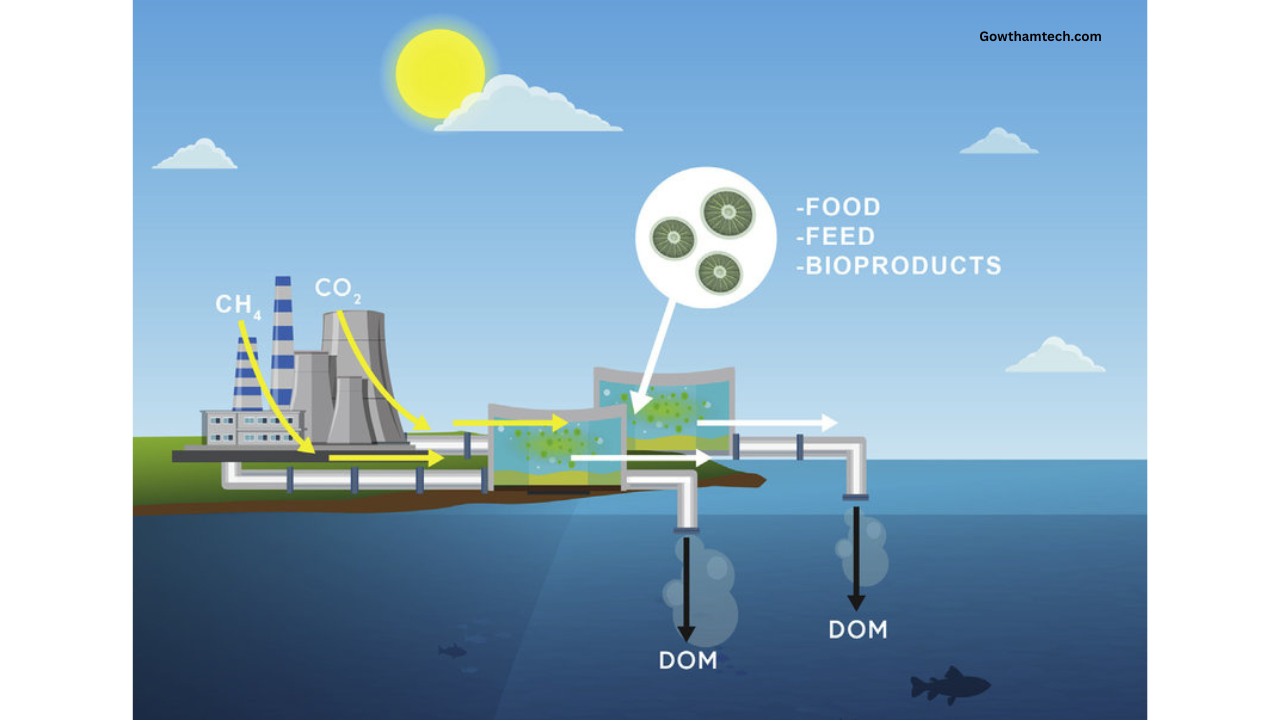
- Applications: Their flexibility allows them to be a great candidate for cultivation on a large scale in open ponds and closed photobioreactors. They are able to be fed with CO2 rich flue gas straight via industrial sources (like power plants and cement factories) and convert the pollutants into beneficial biomass. The biomass then gets transformed into biofuels bioplastics and animal feeds or valuable chemicals. This creates an economic cycle of carbon. The most advanced research for 2025 is focused on genetically altering the cyanobacteria species to increase their CO2 uptake performance and adaptability to industrial environments. The improved Carbon Capturing Microbes represent a major advancement.
Other Microalgae
closely related to cyanobacteria the eukaryotic microalgae (like Chlorella and Scenedesmus) are also photosynthesis powerhouses. They are generally more abundant in levels of lipids than bacteria so they are particularly suitable for the production of biofuels.
- Mechanism: Just like cyanobacteria they use photosynthesis as well as their Calvin Cycle. Larger cells be a problem when the process of removing them from water more straightforward.
- Applications: Microalgae are in the very forefront in the “algae to biofuel” industry. Massive algae farms are being constructed that function as enormous carbon storage tanks. They are growing rapidly and taking in significant quantities of CO2. When the algae are harvested oils are extracted to create biodiesel. The rest of the biomass can be utilized as fertilizer or transformed into biogas by anaerobic digestion. Carbon capture as well as the production of renewable energy creates these Carbon Capturing Microbes a cornerstone of sustainable technology.
Methanogens and Methanotrophs: The Methane Cycle Specialists
Although CO2 is the main concern however methane (CH4) is a powerful greenhouse gas. There are specialists in the microbial realm to produce and consume methane.
- Methanogens are the archaea which produce methane under anaerobic environments a procedure which may seem contradictory for the mitigation of climate change. But in controlled systems such as anaerobic digesters which are utilized to degrade organic waste (like food waste or sewage) to biogas (methane). The biogas produced can be absorbed and used to create a renewable power source. It also stops methane from entering the air and displaces the need for fossil fuels.
- Methanotrophs are the ones who make the headlines from the other end of the coin. Methane is their primary source of energy as well as carbon. They are currently being studied for applications in areas where methane emissions are high like agriculture soils landfills as well as coal mines. In oxidizing methane and converting it into CO2 (which has a lesser potential for global warming) and creating cellular biomass they Carbon Capturing Microbes (in the broader concept of mitigation of greenhouse gases) are essential to greenhouse gas mitigation.
The Rise of Genetically Engineered Microbes
Synthetic biologys convergence and microbiology has unleashed the possibilities of creating “super” Carbon Capturing Microbes. Scientists no longer have to limit themselves to what nature has in store for them. Utilizing tools such as CRISPR Cas9 scientists can:
- Increase Photosynthetic Efficiency altering key enzymes such as RuBisCO or adding components that are more efficient researchers are able to increase the speed that microbes can fix CO2.
- Enhance Tolerance: Strains could be designed to endure the tough conditions associated with industrial flue gas including high temperatures as well as the presence of chemical compounds.
- Channel Carbon into Desired Products Scientists are able to alter the microbes metabolism so that it does transform carbon to general biomass however to produce specific important products of high value such as isobutanol (a biofuel) and the lactic acid (for bioplastics) as well as the precursors to pharmaceuticals. The Carbon Capturing Microbe is transformed into a mini solar powered manufacturing facility.
The design and development of these customized Carbon Capturing Microbes is a primary area of focus for biotech firms and research institutes in 2025. providing tailored solutions to many sectors.
Applications and Innovations in Microbial Carbon Capture (2025)
The theory based potential for Carbon Capturing Microbes is rapidly translating into practical applications. Up to 2025 numerous preliminary commercial ventures are showing the potential of this technology across a range of sectors.
Bioreactors for Industrial Flue Gas
A very exciting applications involves coupling Microbial systems directly with industrial emissions sources.
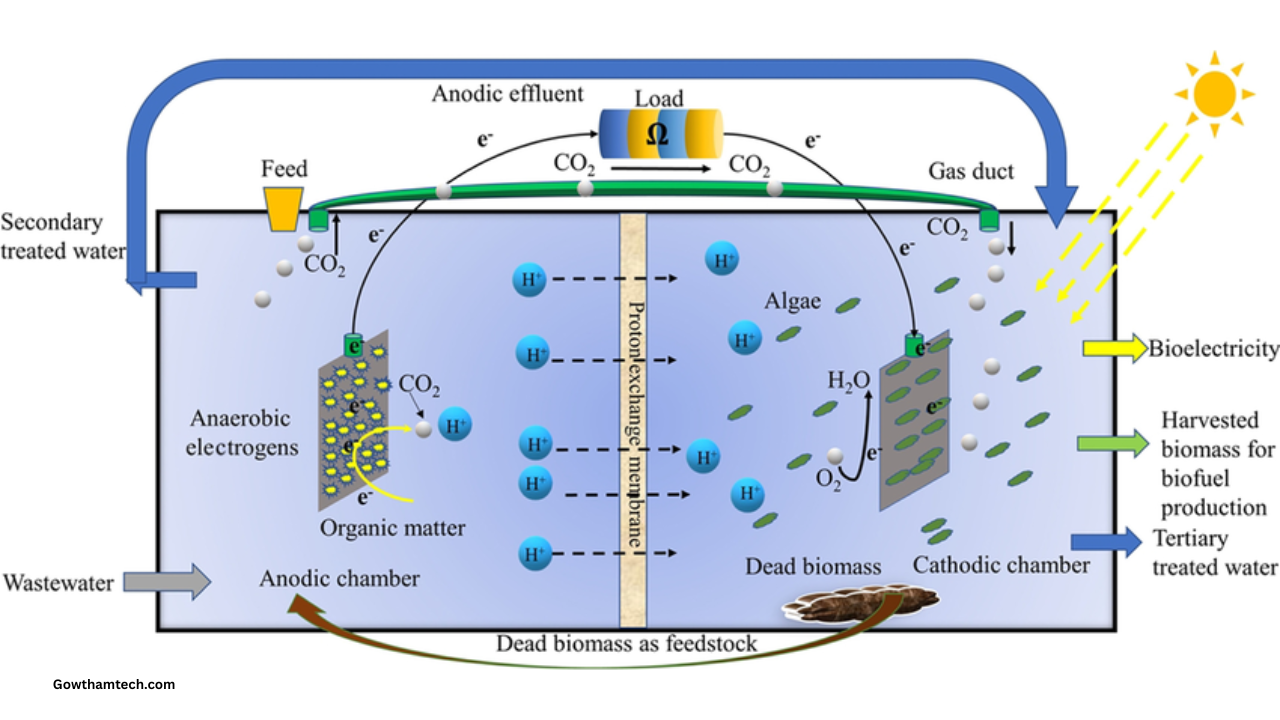
- The way it works In lieu of getting released into the air the flue gas produced by an energy manufacturing plant steel mill or cement plant is pumped through a photobioreactor a device consisting that consists of tubes closed and transparent or panels containing the microalgae and the cyanobacteria. Microbes flourish on concentration of CO effectively removing away the gas and releasing it into the air.
- 2025 Status: Many firms have pilot facilities in operation. Most of the innovations are focused on designing bioreactors that maximize radiation and transfer of gases in addition to the creation of robust strains of microbial capable of surviving industrial contaminants. The biomass produced is evaluated for the possibility of conversion into other items like jet fuel or high protein animal feeds creating income streams that can offset operating costs. The direct industrial application is the best instance of putting Carbon Capturing Microbes to work.
Enhancing Soil Carbon Sequestration in Agriculture
The soil is among the largest carbon reservoirs in the world and microbes serve as the guardians of the soil. Innovative practices for regenerative agriculture are using microbial strategies to improve soil health as well as carbon storage.
- How It Works How it Works: Specially selected consortia of microbes and fungi is applied to the soils of agriculture to act as inoculants. Microbes such as mycorrhizal bacteria and nitrogen fixing fungi establish symbiotic connections with roots of plants. They enhance plant growth which results in more photosynthesis and carbon fixation. In addition they transform dead plant matter into stabilised organic carbon of soil (humus) and stay in the soil for many centuries.
- 2025 status 2025 Status: The bio fertilizer as well as soil amendments market is growing. Businesses are selling products that contain particular kinds from Carbon Capturing Microbes proven to increase the carbon content of soil. Carbon farming in which farmers get paid according to the carbon they capture within their soils is growing in popularity as a mechanism for governing the economy that provides a reward for the use of the microbial technology.
Carbon Negative Biofuels and Bioplastics
It is not enough to achieve carbon neutrality and carbon negative but to actually be carbon negative. Carbon Capturing Microbes make this possible.
- What happens What it does is start with microbes that absorb industrial or atmospheric CO2. This biomass of microbial life is made into feedstocks for the production of liquid fuels (bioethanol or biodiesel) or bioplastic polymers (like PHA or PLA). Once these substances have reached the point of no return when they burn to generate energy or decompose they release carbon they have recently removed by the air. In the process of sequestering some portion of the biomass or by using fossil fuels that are carbon intensive for the manufacturing process and the lifecycle of the product can be carbon neutralized.
- 2025 Status: Though higher in cost than fossil fuel based alternatives technology is evolving. Businesses are developing connected systems that incorporate the bioreactor that is growing Carbon Capturing Microbes is co located with an industrial bioprocessing plant. The drive for the circular economy and rules that ban single use plastics are driving substantial investment in this field.
Bio Concrete and Construction Materials
It is an enormous carbon dioxide emitter. Microbial solutions provide a new method to reduce the effect.
- What it does What it does biomineralizing bacteria are able to be integrated in concrete mixes. As cracks develop and water starts to seep in and activates inactive bacteria. The metabolic processes they undergo cause the formation of calcite that seals the crack taking up a tiny amount of CO2 during the process. Its “self healing” capability extends the longevity of infrastructure while avoiding emission from repair and replacement.
- 2025 State of the art: Bio concrete has been being tested in labs and field tests. Though its not yet widely used but it is under test with specialized purposes. In the long run we envision an industry of construction where products actively remove carbon dioxide from the air making our cities carbon sinks thanks to the tireless efforts of incorporated Carbon Capturing Microbes.
Advantages of Using Carbon Capturing Microbes
In comparison to traditional solely physical or chemical methods for carbon capture biochemical method that uses Carbon Capturing Microbes offers a compelling number of benefits.
- The self replication process and the ability to scale: microbes multiply rapidly. If the conditions are right the beginning of a tiny culture could grow to become a huge biomass. This means that it is as if the “machinery” for capture builds itself. It makes it simpler and more cost effective to expand than the construction of huge mechanical DAC plant.
- Highly efficient at low concentrations High Efficiency at Low Concentrations: Many enzymes from microbial sources including RuBisCO is specifically designed to pull CO2 out from the air where its at extremely minimal levels (around 350 mg). This poses a major problem for a lot of designed systems that need more concentrated streams in order in order to achieve their efficiency.
- Low energy requirements: Photosynthesis microbes make use of the biggest sources of energy on earth the sun. Chemosynthetic microbes make use of chemicals to produce waste. They drastically decrease the amount of energy consumed by parasites when in comparison to traditional amine scrubbing techniques that require a significant amount of heating to let go of the trapped CO2.
- The creation of valuable byproducts Perhaps the greatest economic benefit. Carbon storage and capture (CCS) generates a of CO2 compressed that must be moved and stored. It costs money. Contrarily using Carbon Capturing Microbes results in carbon use and capture (CCU). The carbon captured can be transformed into biomass. This is a natural resource that is utilized as biofuel bioplastic fertiliser food additives or other specialty chemicals. This creates an income generating circular economic model.
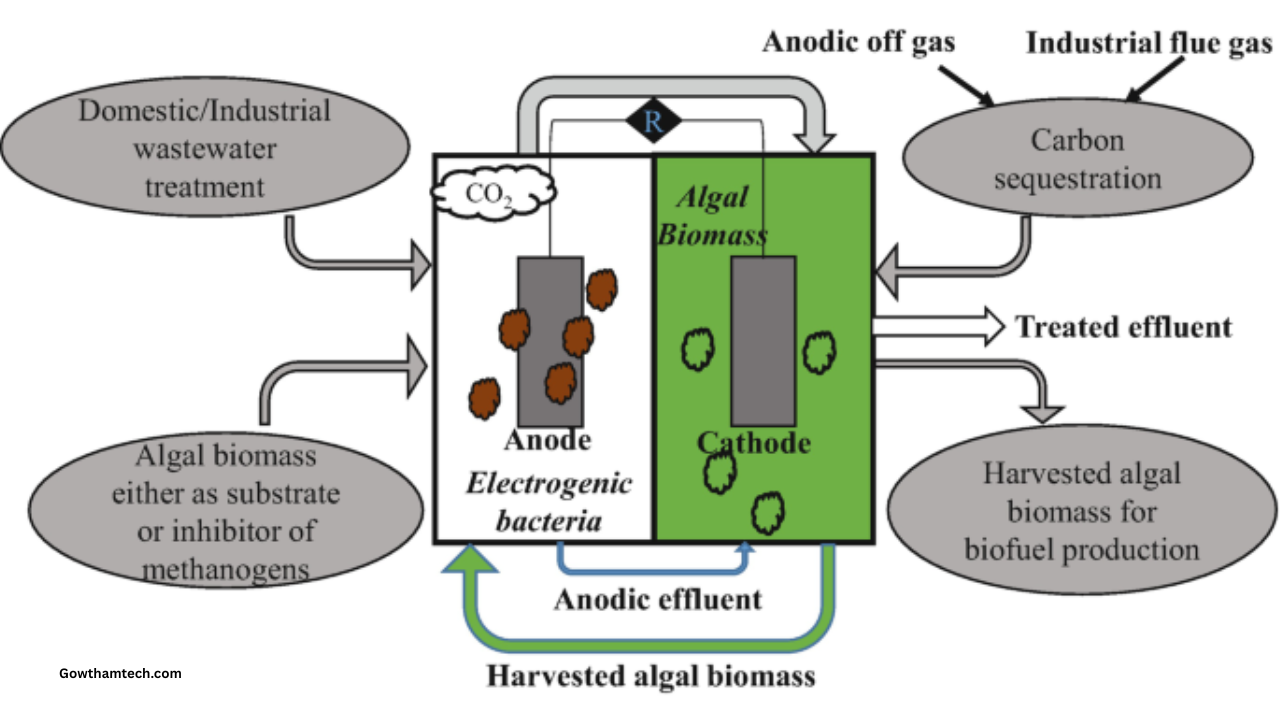
- Environmental benefits The benefits of microbial systems are that they are able to be integrated into water treatment and adsorbing the nutrient related pollutants such as nitrates and phosphates while also taking carbon. They also make oxygen in the course of photosynthesis. The deployment of these systems could aid in restoring ecosystems and improving the quality of water. The comprehensive nature of the products that are based upon Carbon Capturing Microbes is a key attraction.
Challenges and Limitations
Despite their immense potential the road to a global scale application of Carbon Capturing Microbes is not without obstacles. Engineers and researchers in 2025 are already working hard to tackle a variety of major challenges.
- The ability to scale and land use Microbes can be scalable however the infrastructure needed isnt easy. The large open ponds used for cultivation of algae need significant area and water. These may compete with agricultural practices. Even though closed photobioreactors are better managed and efficient on land however they can be significantly expensive to construct and run.
- Needs for Nutrients: To develop and absorb carbon microbes require more than carbon dioxide and light. They need nutrients like nitrogen Phosphorus and trace minerals. Finding them economically and sustainably is an enormous logistical hurdle. The integration of wastewater is the possibility of a solution however it is not without its own challenges.
- Stability and Contamination: Open water ponds can be vulnerable to contamination from different microbes or predation by zooplankton. This can cause the growth of cultures to collapse. Stable efficient monoculture of wanted Carbon Capturing Microbes over long periods is not easy. Closed systems provide greater control however at a larger price.
- Harvesting and processing: Microbial cells are tiny are suspended in large volumes of water. The separation of the biomass from the liquid (dewatering) is a high energy and costly procedure usually making up a large part of the overall operating cost.
- Long term Carbon Permanence: When carbon is incorporated to biomass and then burned for fuel The carbon eventually released into the atmosphere. Although this is a in the context of a carbon neutral cycle its not a permanent process of sequestration. For true removal of carbon the biomass needs to be stored for a long time in a way such as changing it into biochar before placing it in a sandbag or making sure that it is incorporated in long lasting the building products. Persistent storage is crucial to any system that is based upon Carbon Capturing Microbes to be a truly effective solution to climate change.
Future of Carbon Capturing Microbes: A 2025 Perspective
The sector of the microbial carbon capture industry is set to experience exponential increase. The fusion of biotechnology artificial intelligence and climate policies is generating an ideal storm of technological innovation.
The Role of AI and Machine Learning
AI has revolutionized the way we find and improve Carbon Capturing Microbes. Machine learning algorithms are able to analyze vast databases of genomic information to find new ways to fix carbon and predict what microbes are most likely to thrive under particular industrial environments. AI will also help enhance the performance of bioreactors in real time by adjusting the lighting nutrients and CO2 levels to maximize yield. Data driven approaches are accelerating the process of research and development significantly.
Advancements in Synthetic Biology
The capability of writing DNA is becoming just as vital as being able to comprehend it. Synthetic biologists dont simply altering the microbes that exist; theyre developing completely novel metabolic pathways that can absorb carbon with greater efficiency and to create new valuable molecules.
The idea of a minimalist genome a microbes chassis that is stripped to the essentials to which carbon capturing components are able to be incorporated is getting closer to becoming reality. This next generation Carbon Capturing Microbes will be safer better more efficient and will be more reliable.
Policy and Economic Drivers
Technology by itself isnt enough. The support of government policies is essential. We are witnessing an increase in carbon pricing and taxes credits (like the tax credit 45Q for the US) as well as the requirement to use sustainable aviation fuels as well as bio based material.
This is creating the required market pull that will reduce risk in investment and allow technology that are based in Carbon Capturing Microbes to compete with traditional fossil fuel based industries.
With the development of an unambiguous and reliable carbon based credit system the capacity of these solutions to deliver high quality verifiable carbon removal is likely to become a significant investment asset.
Embracing Our Microscopic Allies
Combating the effects of climate change demands the use of an “all of the above” approach and Carbon Capturing Microbes have rightfully earned their status as an important competitor in our climate solutions tools.
There is no silver solution but they do represent an entirely different model one that relies on the finely tuned machinery in nature instead of in opposition to it.
Utilizing billions of years worth of research and development these tiny powerhouses provide a pathway that is not just sustainable but regenerative capable of transforming our most infamous waste product carbon dioxide to the basis of a brand new circular economy.
from removing emissions from their sources to reviving the soil and producing carbon negative products the uses vary as much as the microbes.
The path from lab to the global scale is difficult but the speed of progress is astounding. As our knowledge of the microbiome grows and our capacity to create biology gets higher tech the capabilities for the use of Carbon Capturing Microbes will only grow.
These microbes are proof of the reality that often the most potent solutions to our most difficult challenges are located even in the smallest of spaces. The future of life is microbial and by taking on these little partners we are able to begin healing our planet by destroying one carbon atom a. The age of Carbon Capturing Microbes is here.