Introduction
Googles AI technologies are transforming the digital creativity industry by making advanced image generation, storytelling, and cinematic visual design more accessible to creators. AI-powered creative systems are now widely used for realistic portrait generation, age progression visuals, emotional storytelling, and cinematic artwork creation across social media and professional digital platforms.
One of the growing trends in AI-generated art is the cinematic life journey portrait concept, where artificial intelligence creates emotional age progression collages that visually represent different stages of a person’s life. These AI-generated portrait prompts combine storytelling, emotional realism, and advanced image synthesis to produce highly engaging visual experiences.
As AI creativity tools continue evolving, cinematic portrait prompts are becoming increasingly popular among content creators, designers, and digital artists searching for realistic AI storytelling workflows.
What Is Googles AI in Creative Design
Googles AI refers to artificial intelligence technologies developed for automation, content understanding, image generation, and intelligent digital workflows. In creative industries, AI systems are now used for generating realistic images, enhancing visual quality, and producing cinematic storytelling content automatically.
AI image generation platforms powered by machine learning models can create detailed portraits, realistic scenes, and emotionally expressive visuals using text-based prompts. These systems analyze prompt instructions and generate high-quality outputs based on training data and visual understanding algorithms.
Creative AI workflows are becoming an important part of modern digital design because they help creators produce cinematic-quality visuals more efficiently.
Cinematic Age Progression Portrait Concept
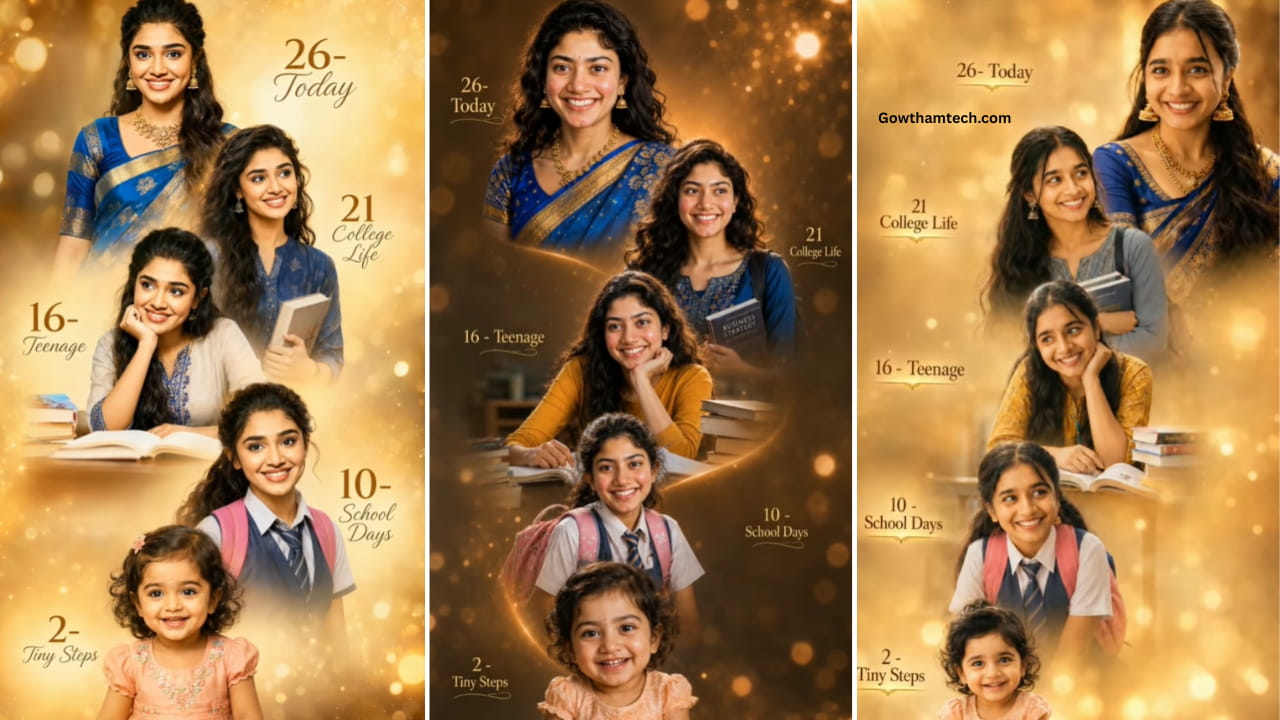
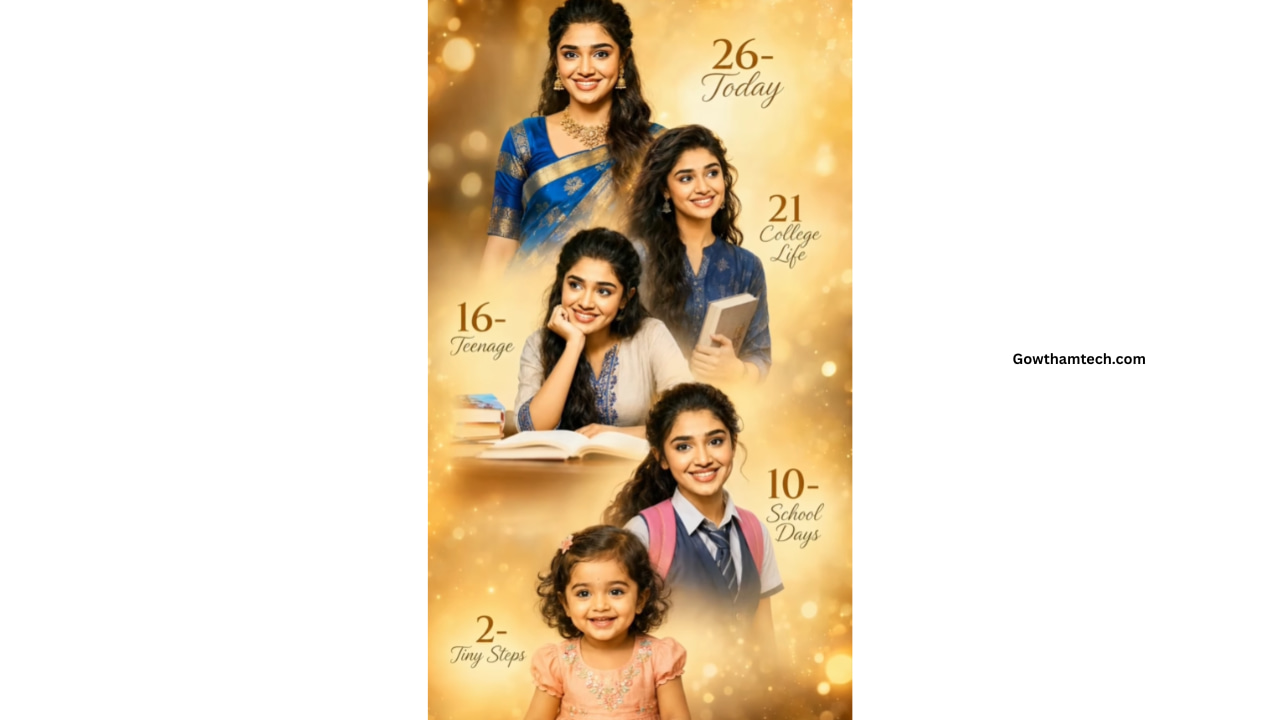
A cinematic age progression portrait is a visual storytelling technique where AI generates multiple versions of a person at different life stages. The images are then combined into a collage-style composition that creates an emotional life journey effect.
This concept is widely used in social media creativity, digital art projects, emotional storytelling campaigns, and AI-generated cinematic visuals. The realism of these portraits depends heavily on prompt quality, lighting instructions, facial consistency, and cinematic atmosphere settings.
Creators often use detailed prompts describing emotions, environments, lighting, camera styles, and aging progression to improve visual realism and storytelling quality.
How AI Portrait Prompt Systems Work
AI portrait generation systems work using machine learning models trained on massive image datasets. When users enter prompts, the AI analyzes keywords related to appearance, lighting, expressions, cinematic styles, and environmental details.
The system then generates visuals based on those instructions while maintaining facial structure and artistic consistency. In cinematic age progression prompts, AI models attempt to preserve recognizable identity traits while showing realistic aging transitions over time.
Modern AI tools also use advanced rendering techniques to create emotional realism through skin texture, facial expressions, cinematic depth, and environmental atmosphere.
Emotional Realism in AI Image Generation
Emotional realism is one of the most important factors in cinematic AI portraits. Instead of generating simple static images, creators now focus on producing visuals that communicate emotion, life experiences, and human storytelling.
AI systems use lighting effects, facial expressions, camera angles, and cinematic composition to enhance emotional impact. Warm lighting, dramatic shadows, realistic textures, and expressive eyes are often included in prompts to improve realism.
This emotional storytelling approach has become highly popular because audiences engage more deeply with visually emotional and cinematic AI-generated content.
Importance of Prompt Engineering
Prompt engineering plays a major role in achieving high-quality AI-generated portraits. The quality of the output depends heavily on how detailed and structured the instructions are.
Creators often include cinematic camera styles, realistic skin textures, emotional descriptions, environmental settings, and lighting details to improve output accuracy. Keywords related to realism, cinematic visuals, ultra-detailed rendering, and emotional atmosphere are commonly used in advanced prompts.
Well-optimized prompts help AI systems generate more consistent and visually impressive results suitable for professional creative projects.
AI Creativity Trends and Social Media
AI-generated cinematic portraits have become a major trend across social media platforms because they create visually engaging and emotionally powerful content. Many creators use age progression collages to showcase life journeys, family memories, and artistic storytelling concepts.
AI creativity trends are also influencing digital marketing, entertainment, and branding industries where visually emotional storytelling is highly valuable for audience engagement.
As AI image tools become more advanced, creators are producing increasingly realistic cinematic visuals with minimal manual editing effort.
Creative Use Cases for AI Portrait Prompts
Cinematic AI portrait prompts are used in various creative fields including digital art, video production, personal branding, and social media content creation. Some creators use them for storytelling campaigns, while others use them for emotional visual projects and artistic experimentation.
Photography-inspired AI prompts are also becoming popular among designers looking to simulate professional cinematic portrait photography styles using artificial intelligence tools.
Businesses and content creators increasingly use emotionally realistic AI visuals to improve audience attention and online engagement.
Challenges in AI Image Generation
Although AI image generation technology has improved rapidly, achieving perfect realism still requires experimentation and prompt refinement. Inconsistent facial details, unrealistic aging effects, or visual distortions may occur depending on prompt complexity.
Creators often adjust prompts multiple times to improve consistency, lighting accuracy, and emotional depth. High-quality cinematic realism usually requires advanced prompt structures and careful visual direction.
AI-generated visuals should also be used responsibly, especially when creating realistic portraits or emotionally sensitive imagery.
Future of Cinematic AI Creativity
The future of AI-powered cinematic creativity is expected to grow significantly as machine learning models become more advanced and realistic. AI systems are increasingly capable of generating professional-quality cinematic scenes, emotional portraits, and visually immersive storytelling content.
Future AI creativity tools may integrate advanced video generation, real-time cinematic editing, and interactive storytelling systems powered by artificial intelligence.
As creative AI technologies continue evolving, cinematic portrait prompts and emotional realism workflows are expected to become major parts of digital content creation and visual storytelling industries.
Prompt:
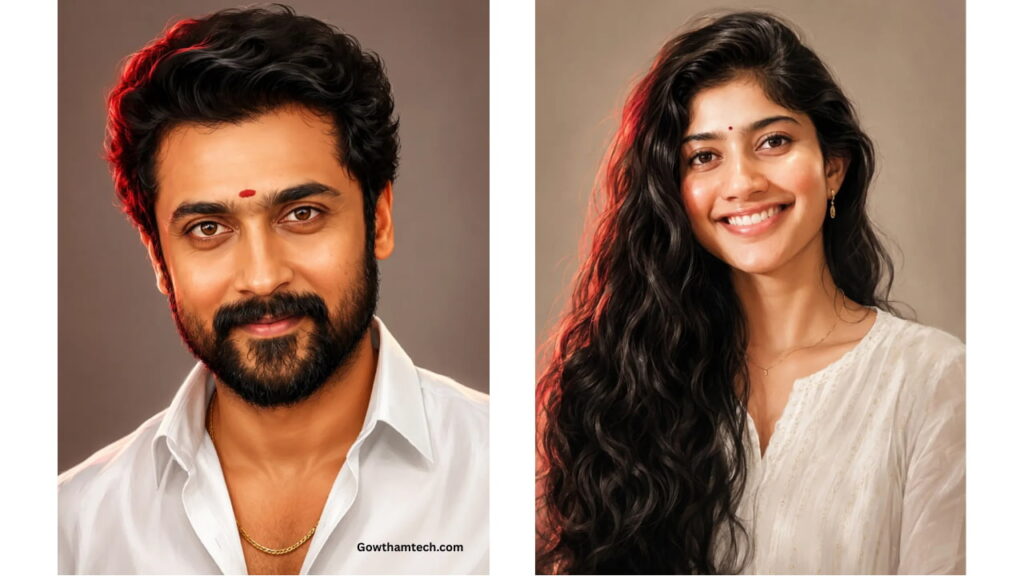
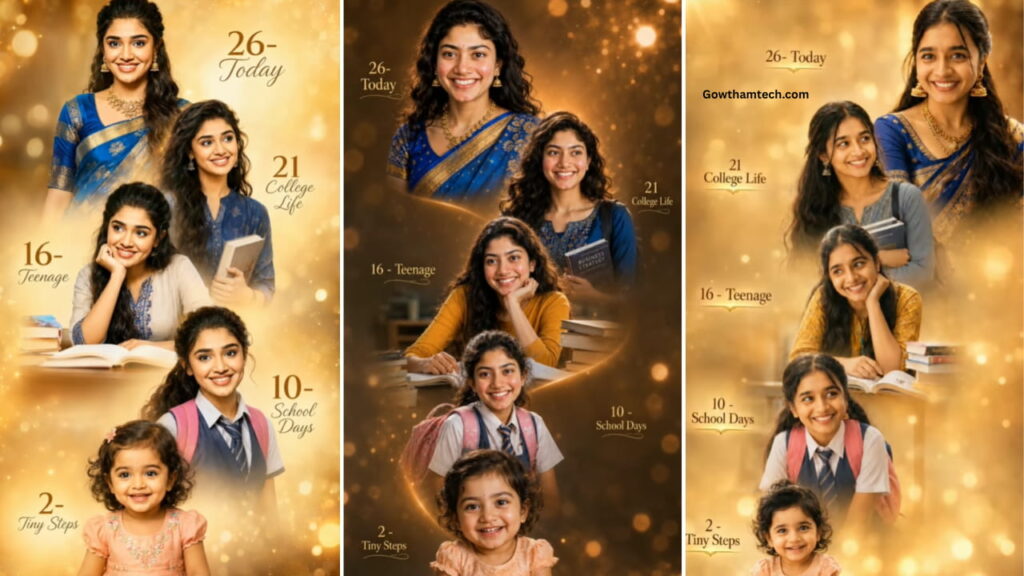
An ultra-high-quality, 8K resolution vertical portrait collage with a 9:16 aspect ratio, showcasing an Indian woman’s life journey, arranged seamlessly from bottom to top against a warm, glowing golden bokeh background with subtle sparkles. The collage features five distinct chronological stages of her life, ensuring her unique facial structure, round face, expressive brown eyes, and distinct smile remain 100% identical and instantly recognizable across all ages. Bottom Stage (Age 2 – Tiny Steps): A cute, smiling 2-year-old toddler with a round face, wearing a soft peach frock with light embroidery, looking forward happily. Text nearby reads “2 – Tiny Steps” in elegant typography. Second Stage (Age 10 – School Days): A bright, smiling 10-year-old schoolgirl with a pink backpack, wearing a neat school uniform with a tie, radiating pure happiness. Text nearby reads “10 – School Days”. Third Stage (Age 16 – Teenage): A thoughtful 16-year-old teenage girl resting her chin on her hand, sitting at a desk studying with books around her showing a determined and hopeful expression. Text nearby reads “16 – Teenage”. Fourth Stage (Age 21 – College Life): A confident 21-year-old college girl with long, beautiful dark hair flowing over her shoulders, holding a book, looking slightly away with dreams in her eyes. She wears a modern casual kurta. Text nearby reads “21 College Life”. Top Stage (Present Day – Today): A stunning, confident, and graceful 21-year-old woman positioned at the top. Her facial features, smile, and identity are perfectly identical to the reference photo. She is dressed elegantly in a royal blue Kanjeevaram silk saree with intricate gold zari borders, paired with delicate traditional gold temple jewelry. She looks directly at the camera with a warm, serene smile. Text nearby reads “26- Today”. The step must be zigzag position. The transition between each image is softly blended with cinematic light leaks. Shot with an 85mm lens look, deep depth of field, studio lighting, realistic skin textures, cinematic color grading, modern portrait aesthetic. -ar 9:16
Final Thoughts
Googles AI technologies and modern AI image generation systems are transforming cinematic storytelling and digital creativity. Cinematic age progression portrait prompts allow creators to generate emotionally realistic visuals that combine storytelling, realism, and artistic design into powerful visual experiences.
From social media creators to digital artists and marketing professionals, AI-powered cinematic portrait workflows are becoming valuable tools for creative expression and audience engagement. As AI creativity continues advancing, emotional realism and cinematic AI storytelling will play an increasingly important role in modern digital content production.

No
Help