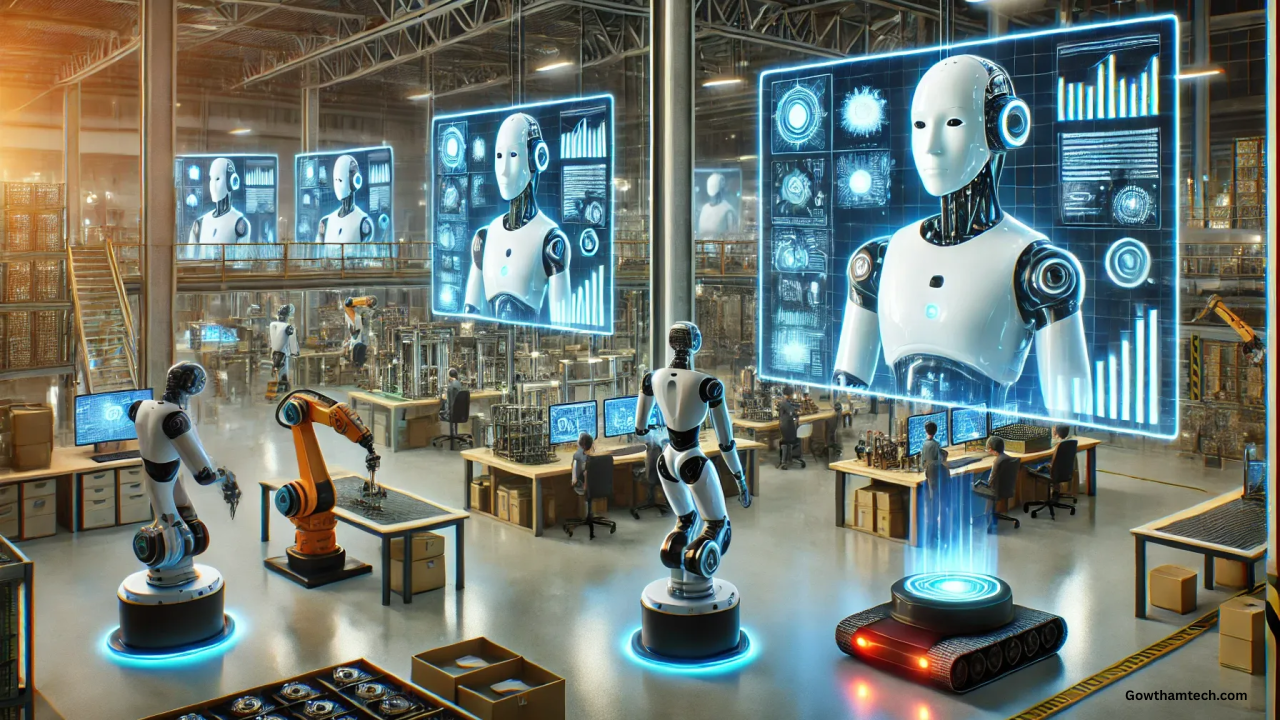
The manufacturing and the industries of India is undergoing radical changes brought on by advances in technology in the fields of automation as well as artificial intelligence. At the forefront of this change involves Cobots they are often referred to as cooperative robots.
Theyre ingenious and built to work safely alongside humans increasing the capabilities of their users as well as expanding their efficiency with no massive safety barriers that are normally required for industrial robots.
As 2025 approaches and even further the utilization of Cobots in India is predicted to expand dramatically enhancing operational efficiency and also creating many new possibilities for various sectors.
The book gives detailed review of Cobots as well as their advancement and advantages in their use and the longer term prospects for their integration with the Indian business.
The Evolution of Robotics: From Industrial Giants to Agile Cobots
Industrial automation was decade ago. It began with huge strong fast and often hazardous robots that required complete separation from human.
They could do well with routine high volume tasks however they werent able to change and did not have security options that would allow for human interaction. The arrival of Cobots Cobots resulted in bringing an important change.
From Fixed Automation to Flexible Collaboration
Traditional industrial robots can be identified by
- Speed and High Performance: optimized for tasks which require lots of power as well as speedy production time.
- Security Caging Barriers that physically must be in place to protect people from potential threats.
- Programming that is complex: Requiring specialized skills for setup and reprogramming.
- Fixed jobs: Less adaptable to the variations in the production of products or modifications.
Cobots Contrarily they present completely innovative robotics technology that has base of security versatility and user friendliness.
- safety features include: Using torque sensor force sensors as well as monitoring of separation and speed and the ability to restrict the power and force in order to ensure the safety of humans.
- programming is easy to learn: Most often it comes with intuitive user interfaces programming lead through along with graphical drag and drop features that allow them to be accessible even to people who arent expert.
- Flexible and flexible: It is easily moved to other assignments and adaptable to the changing needs for production. They work well for small scale high mix production.
- Small Footprint Compact and lighter HTML0 makes it easy to integrate into manufacturing lines in operation without massive reconfiguration.
The transition from traditional robots toward Cobots is an indication of the growing need of industries to find more flexible automated solutions that are human centric.
The most popular is India the nation with the highest percentage of SMEs make up significant part of the manufacturing process. The versatility and efficiency of Cobots are the main factors that makes them attractive.
Why Cobots? Unlocking the Benefits for Indian Industries
The advantages of Cobots go beyond mere technological advances; they are that they actually bring benefits to bring to the companies they. When it comes to Indian firms that want to compete globally Cobots can provide the case for investing.
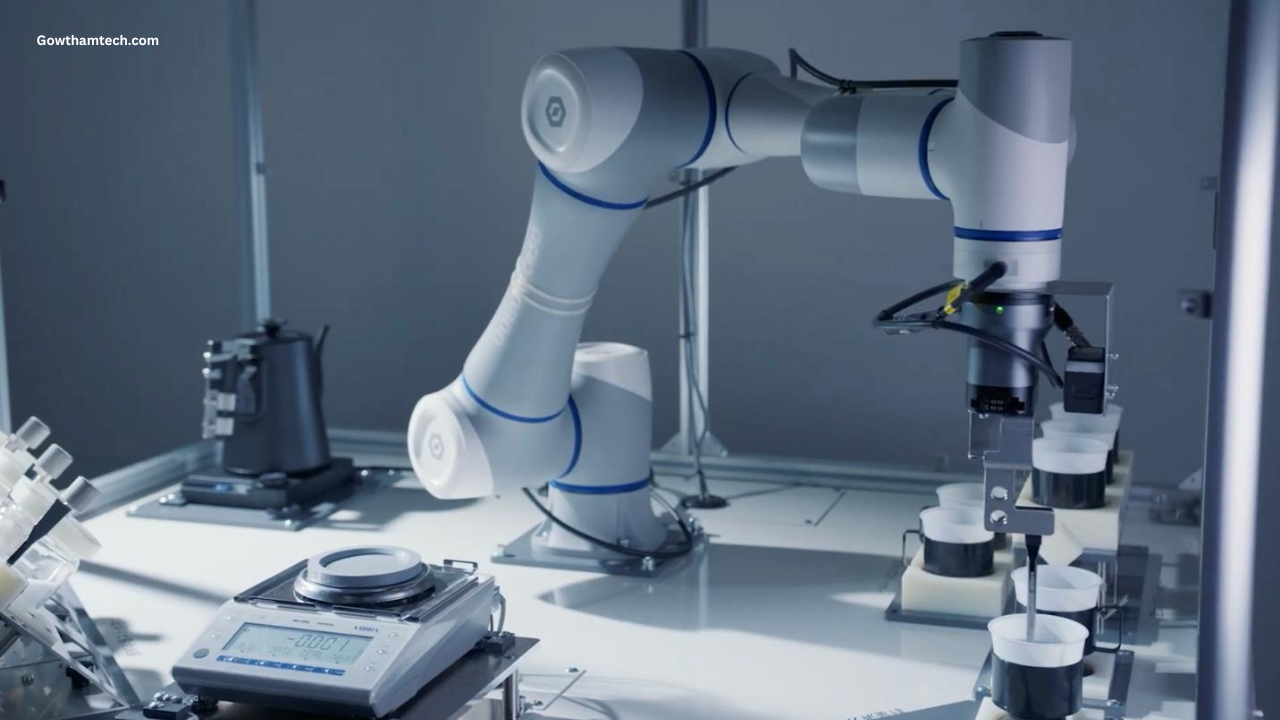
Enhanced Productivity and Efficiency
One of the primary advantages of using robots is the significant rise in efficiency. When it comes to monotonous repetitive boring repetitive or ergonomically demanding jobs Cobots allow workers focus on more complex and challenging tasks that demand the application of cognitive capabilities and problem solving abilities and also the ability to think creatively. This results in:
- Higher Throughput Cobots can be capable of operating continuously and without fatigue while sustaining high output rate.
- The Speed of the Cycle streamlining processes and eliminating bottlenecks.
- Optimized Resource Utilization: Making the most utilization of human and robotic capabilities.
Improved Ergonomics and Worker Safety
The majority of industrial jobs require repeated movements lifting weights and bending in awkward positions that can result in muscular and skeletal injuries as in other accidents that happen at work. Cobots can alleviate these pressures and increase safety and ease of work.
- reduced strain injury It is believed that Cobots can do physical activities that minimize the risk of injuries for human beings.
- A safer work environment By incorporating safety features Cobots minimize the risk of accidents and increase safety. They also contribute to more safe work environment.
- A Higher Level of Satisfaction With work: The workers are liberated from boring work. The result is higher levels of satisfaction and pleasure working.
Flexibility and Scalability
The constant evolution of markets around the world requires firms to adapt and be agile. Cobots is the leader in this sector.
- Rapid deployment and redeployment The simple programming they allow and compact size allow rapid setting up and transfer onto various workstations and production lines.
- Modularity within Production: Ideal for industries that have fluctuating demand or production runs that can be customized.
- Flexible Automation Businesses can begin with few Cobots as well as then expand their technology as demands rise. It is an affordable option for smaller sized businesses.
Cost Effectiveness and Faster ROI
The initial investment in Cobots may appear huge but the benefits generally translate into immediate return on investment (ROI).
- Lower costs overall: In comparison to standard industrial robotics Cobots generally come with low initial costs less hassle installation and less infrastructure that is based on safety requirements.
- Lower Cost of Labor by improving efficiency and allowing optimal utilization of human resources Cobots assist in helping to achieve significant reductions.
- Higher Quality and Lower Costs: Consistent performance by Cobots leads to lower errors as well as improved product quality which reduces materials wasted and the necessity to redesign.
Bridging the Skill Gap
In an ever changing industry the need for skilled employees is an problem. Cobots can help solve this problem by equipping employees the latest capabilities to control robots and oversee their work and also automatizing jobs that cant humans to do.
- Possibilities to Upskill: Workers can learn how to program and manage Cobots while gaining essential skills within the area of automation.
- The reduction of people working: Automating certain tasks through the use of Cobots can aid in reducing the impact of labor shortages in particular areas.
Applications of Cobots Across Indian Industries in 2025
The array of Cobots capabilities can be utilized in range of applications across variety of fields. For instance in India by 2025 we may see Cobots making an enormous leap in automotive manufacturing electronics health care and logistical.
Manufacturing and Assembly
Most likely it is the most suitable position to be Cobots. Their reliability accuracy and ability to work as member of team makes Cobots essential in all kinds of methods for production.
- Assembly jobs: From tiny components used in electronic devices to huge components used in cars Cobots can effectively place attach to the items then put them together.
- “Pick and Place Moving objects quickly between different areas is essential in many production methods.
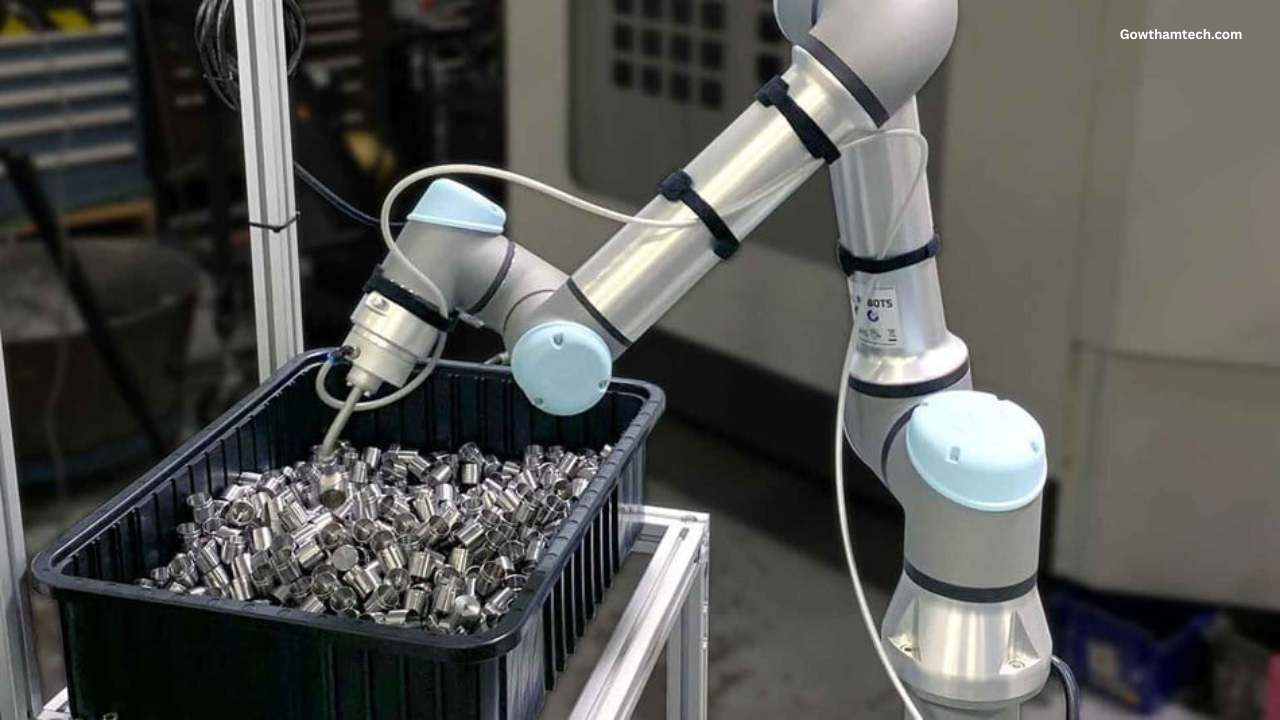
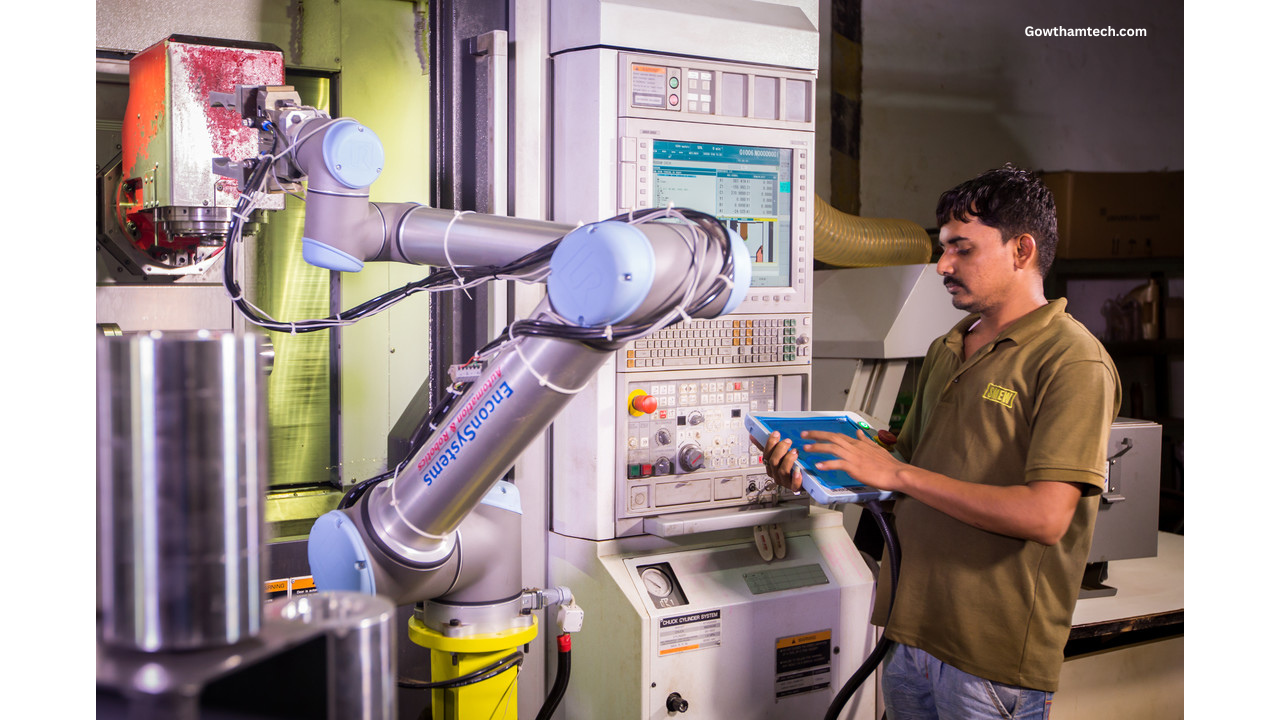
- Machine Tending Loading and unloading of parts from CNC machines such as injection molding machines as well as other equipment all while making sure that theyre running at constant speed.
- Material Handling Moving materials and products in the manufacturing plant as well as reducing the strain on hands.
- Quality Control With the help of advanced technology for vision Cobots can conduct precise quality checks to find any imperfections that might go unnoticed in humans eyes.
- Polishing and welding special Cobots can be used to carry out precise welding tasks in addition to polishing the surfaces and guarantee the result is of consistent quality.
Automotive Sector
The booming automobile industry in India can be an excellent for Cobots. Cobots can help in various stages of the manufacturing process automobiles.
- Component Assembly The assembly of complicated elements like components for engines dashboards and seats.
- Quality Control Control of welding or paint finishes and other important elements of manufacturing.
- logistical and kitting Preparation and delivery of kits with specific components to manufacturing lines.
- Material Transfer Moving heavy or awkward parts within plant for assembly.
Electronics Manufacturing
The agility and precision of Cobots makes Cobots perfect for the challenges of making electronic components.
- Circuit Board Assembly: The installation of tiny components on PCBs which are extremely precise.
- Test and Examine Testing automated devices electronic devices and discovering flaws.
- Material handling of delicate elements: Carefully manipulating delicate electronic components.
Healthcare and Pharmaceuticals
Although still in their early phases Cobots hold immense potential in the area of of healthcare especially in non patient facing posts.
- Labor Automation Pipetting of samples in addition to conducting repeated tests in labs for research.
- packaging dispensing and packing Packaging that is automated for medication or medical instruments.
- Sterilization Assistance Assistance with handling sterilization equipment.
- Hospital Logistics The supply of medications and other supplies in hospitals.
Logistics and Warehousing
Because of the increasing demand of e commerce in India the need for efficient logistical and storage is essential. Cobots have the potential to play an important role.
- Palletizing and depalletizing Stacking and unloading pallets of boxes. physically difficult task.
- Delivery Fulfillment Human employees assist in packaging and picking items to be placed in the customers order.
- inventory management shifting items throughout the warehouse while helping in the count of inventory.
- Sorting Sorting packages efficiently by destination and other variables.
Food and Beverage Industry
The highest standards of hygiene along with routine duties in the food and drinks sector are huge market for the cobots.
- Packaging: Handling and packaging diverse food products.
- “Pick and place” Add ingredients or other items on conveyors.
- Quality Inspection Checking the item for defects or harmful substances in food products.
- Sanitation Aiding in sanitation and washing areas in production.
The rapid growth of Cobots across these sectors isnt just dream its rapidly becoming reality because of their numerous advantages.
Each and every application illustrates the way Cobots do not replace humans but have improved their capabilities making safer places to work and more efficient.
Challenges and Considerations for Cobots Adoption in India
Although there are numerous benefits that are being enjoyed the widespread acceptance Cobots is not without its problems. Cobots are used in India has its fair share of challenges and problems that must been considered prior to the successful cobots integration.
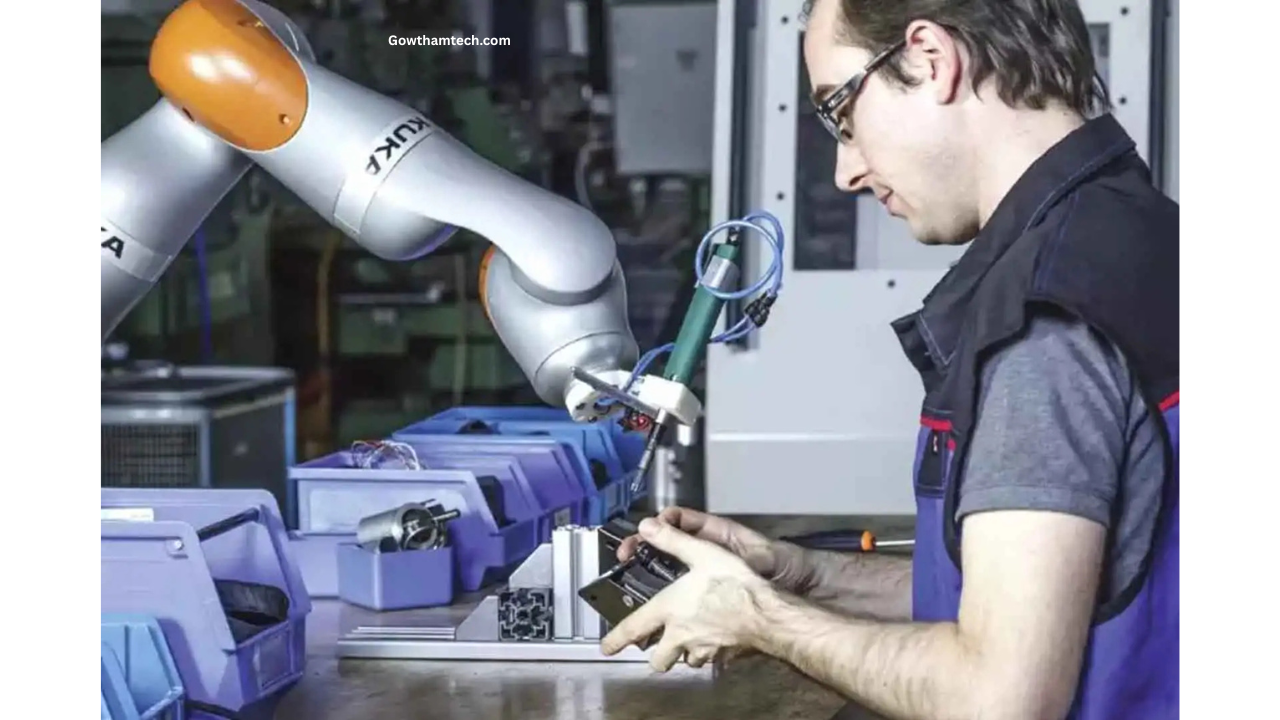
Initial Investment and ROI Calculation
While theyre generally less costly than traditional industrial robots but the initial capital expenditure required in order to acquire Cobots may be hindrance for the growth of smaller businesses in India.
- Budgeting The business must take care when making budgets be cognizant of possibility of cost savings that could be realized over the long term and efficiency gains.
- An enlightened ROI Ability to generate clear and precise return on investment (ROI) forecast is crucial in order to justify the expenditure.
Skill Development and Training
The introduction of Cobots will require changes in the abilities of employees. While Cobots can be straightforward to program workers must be taught on how to operate program and manage their operation. to program them and keep the operation and keep them.
- training existing workers: Programming to train workers on the usage of robots as well as their care is vital.
- Educational Curriculum Integration of robotics and automated systems into engineering and vocational education in order to prepare the next generation.
Integration into Existing Infrastructure
Integration Cobots into existing production lines and Cobots within current production lines and IT infrastructures may cause issues.
- Compatibility: Ensuring compatibility with current software machinery as well as enterprise resource management (ERP) program.
- customisation: Some applications might require custom end effectors designed to meet specific requirements or programming in order to satisfy particular needs.
Safety Standards and Regulations
While Cobots are designed to be secure but ensuring conformity to International as well as local requirements for safety is vital particularly for newer Cobots fitted with higher speeds and payloads that are introduced to the marketplace.
- Risk Assessment Conducting thorough risk assessments for every Cobots
- Compliance: Making sure that the installation conform to the applicable safety regulations and standards.
Cultural and Social Acceptance
The idea of robots “taking jobs” can be an issue for controversy. Promotion of robotics as tools that can enhance human capabilities not replacing human workers is essential.
- Communications clearly communicating benefits of Cobots in clear manner to the stakeholders as well as employees.
- Participation by Employees Engaging employees both in the process of planning as well as the implementation process to encourage collaboration and acceptance.
Technical Expertise and Support
Access to local technical assistance as well as spare parts and service technicians to support Cobots could be essential to reduce interruptions and to ensure efficient running.
- Vendor support Picking Cobots companies with an established presence as well as network of support in India.
- Expertise in house Expertise in house is created to help with the fundamental troubleshooting of CObots.
An active strategy to address this issue is necessary in enabling the potential of Cobots within India in addition to ensuring the smooth transition towards an intelligent and cooperative industrial future.
The Future of Cobots in India: Trends and Innovations by 2025 and Beyond
In 2025 and in the future it is likely the growth of Cobots will probably accelerate because of technological advancements along with the rising demand for smart flexible automation.
India is an important player due to its growing manufacturing sector and the focus on production and will be set to play an important part in this era of change.
Enhanced AI and Machine Learning Capabilities
Modern Artificial Intelligence (AI) and Machine Learning (ML) will assist in making Cobots considerably advanced and intelligent.
- Intelligent Decision Making Cobots can make intelligent decisions. Cobots can learn to take environmental cues and adjust to changes in the surrounding environment. They can also make informed decisions on their own.
- Predictive Maintenance Artificial Intelligence powered Cobots can be used to anticipate failures and schedule maintenance ahead of time and minimize the duration of interruptions.
- Modern vision technology: More sophisticated vision systems allow Cobots to recognize objects more precisely when in chaotic or difficult environment.
More Dexterous and Human like Cobots
The future will be when Cobots are expected to be capable of performing tasks using higher motor coordination which allows them to take on harder tasks which currently require humans to be skilled in fine motor.
- Advanced End Effectors Grippers and: The development of better flexible and flexible grippers capable of handling more diverse items in varying sizes and also the sensitiveness.
- Multi Arm Cobots: Cobots are equipped with multiple arms which work in tandem to finish complex work such as assembly or manipulative tasks.
Wider Adoption of Mobile Cobots (AMRs and AGVs)
The integration of Cobots along with the autonomous Mobile Robots (AMRs) and Automated Guided Vehicles (AGVs) will likely result in highly flexible and adaptable automated solutions.
- Mobile Manipulation Robots mounted on mobile platforms are utilized to move freely around factories and warehouses as well as perform duties in various locations.
- Intralogistics and Logistics Facilitating the movement of materials within the supply chain managing inventory and ordering fulfillment in an ever changing environments.
Industry 4.0 and IIoT Integration
Cobots will be predicted to play major role of the industrial 4.0 ecosystem which is seamlessly integrated seamlessly into the Industrial Internet of Things (IIoT).
- Connected Factories The Cobots are able to connect diverse machines sensors and central control systems. This lets real time data exchange as well as productive production.
- Cloud Robotics: Leveraging cloud computing to store and process information to be processed as well as learning in collaborative manner in Cobots.
Democratization of Robotics and No Code Programming
The movement towards user friendliness will continue increasing making Cobots more accessible to reach for all kinds of users not only people with special robots expertise.
- Intelligent Interfaces Further interfaces for programming that can be simplified could be advancing to using gestures or voice commands.
- Low Code/No Code Platforms Users can code Cobots with no or minimal programming knowledge and thus making learning easier.
Focus on Human Robot Interaction (HRI)
The development and research process is focused on making the Human robot Interaction (HRI) simpler and more enjoyable as well as easy to use and also efficient.
- advanced Security Features: Even more sophisticated security systems and devices which ensure the best levels of security in shared workspaces.
- Social Cobots: Development of Cobots that can detect human movement facial expressions and plans to work better with others.
Cobots in New Sectors
Beyond the conventional manufacturing industry Cobots will expand into undiscovered and new areas.
- Restaurant and Hotel: Helping with jobs like making the shelves full food preparation as well as providing support to customers.
- Agriculture The responsibility of harvesting of the crops planting or maintaining track of the crop yields.
- Construction Aid in routine or risky tasks on construction related websites.
The outlook for Cobots within India promises. India is taking on the digital age and is striving for independence in the production ( Atmanirbhar Bharat) Cobots can be crucial to achieve greater effectiveness higher efficiency and long term growth.
They are not only be about automated processes however its about intelligent and collaborative automation which combines the best aspects of both machines as well as human.
Cobots are widely used. Cobots will not simply transform the way businesses operate they create new opportunities for employment that require skilled workforce who is skilled in interacting with and managing the latest technology.
Implementing Cobots in Your Indian Business: Step by Step Guide
For businesses that are located in India looking to introduce Cobots to facilitate integration It is essential to establish plan of action to ensure the successful introduction and the best ROI.
1. Identify Opportunities for Automation
The initial step is to identify the procedures or processes within your organization that are able to be changed for Cobots automated.
- Repetitive tasks Look for tasks that are boring routine or that demand an ongoing manual effort.
- The most difficult tasks for ergonomics: Identify tasks that can cause injuries to employees due to lifting too much as well as awkward postures or repetition of the strain.
- Bottlenecks Look for areas in your line of production that can be affected.
- Quality concerns: Consider tasks where human error can be at the root of quality inconsistencies.
- High Mix Production Low Volume: Cobots are able to produce with ease thanks to modular design that lets products models shift frequently.
2. Conduct Feasibility Study and Risk Assessment
In the event that potential projects are identified An exhaustive feasibility study along with risk assessments are essential.
- Technical Possibilities Assess the possibility that Cobots Cobots can physically finish the job considering its weight size and speed.
- Viability economics: Estimate the likely ROI by taking into consideration the cost of initial investment reduced operating costs as well as the increased efficiency.
- Safety Evaluation Perform complete risk analysis of the collaborative space to determine if its that the safety standards are satisfied and to identify risks that might be present. This is crucial for each Cobots
3. Select the Right Cobots and End Effector
Selecting the appropriate model to use for Cobots model and the associated equipment (end effectors) is essential.
- Reach and Payload The specifications have to be in line with the cobots specifications including the dimensions and weight of the objects it needs to move as well as the dimensions of the workspace.
- speed and acuity Consider the speed at which you can operate and the accuracy that is required to complete the job.
- Programming is simple. Select Cobots that come with user friendly interfaces that match your teams level of expertise.
- End Effector Select the right gripper or vacuum instrument thats suitable for the task (e.g. handling delicate electronic components as well as large components or forms that may be irregular). There are numerous Cobots that offer an extensive selection of electronic components that work with.
4. Planning the Layout and Integration
The precise design of the area along with how Cobots will be integrated with other machines is vital.
- Workspace Layout Make the layout more user friendly for human and Cobots cooperation as well as ensuring that the routes are clearly defined as well as safe work zones.
- Others Equipment Consider the additional equipment needed such as sensors cameras or conveyors.
- Software Integration Think about what Cobots will work with other sensors equipment in addition to your factorys control system.
5. Programming and Commissioning
Next step is to set Cobots. The next step is setting up Cobots to run one of the Cobots and programming it to finish the job it was given.
- Learn the art of pendant/lead through programming. Utilize the make use of Cobots inventive methods of programming to detect the actions and moves.
- Simulation Utilize simulator programs (if they exist) to test how the Cobots actions and optimize the route it follows before being used.
- Testing: Thoroughly test the Cobots within the controlled environment to make sure that it is able to complete the test successfully and in safe manner.
- Modifying: Change parameters and performs moves that ensure maximum performance and efficiency.
6. Training Your Workforce
Human interactions are the basis of Cobots technology. Human interaction is the heart of Cobots technology. The training of employees which includes all the necessary information isnt something that can be arranged.
- Operators Discover how operators can safely work with Cobots perform the basics of functions and solve small issues.
- Programmers/Technicians: Provide advanced training for those responsible for programming maintenance and complex troubleshooting.
- Security Procedures: Inform all employees regarding the security capabilities of Cobots as well as the established safety protocols which are used for Cobots collaboration space.
7. Monitoring Maintenance and Optimization
Implementation is procedure that demands constant monitoring and improvement.
- Monitor Performance: Monitor the Cobots efficiency effectiveness and their conformity with the standards of quality.
- routine maintenance Create an annual maintenance program to ensure that you Cobots operates without issue and also to prolong its lifespan.
- Continuous Enhancement Review the effectiveness of your Cobots program seek feedback from operators and seek ways to enhance its application or add additional features. Iterations can ensure that your Cobots program remains constantly efficient.
- The Scalability Strategy: Consider how you can increase the size of Cobots Cobots tasks in the coming years when your business grows and the need for new automation requirements will become required.
If you adhere to these rules Indian businesses can effectively implement Cobots into their operations and maximize the benefits of automation in collaboration which results in steady improvement and effectiveness. The way towards Cobots is continuous adaptation and continuous learning which will lead to provide more efficient safe reliable efficient and secure in the near future.
Case Studies: Cobots in Action in India (Illustrative Examples)
The names of the businesses may differ but these examples illustrate how they affect Cobots all over Indian industries.
Case Study 1: Small and Medium sized Enterprise (SME) in Auto Components
Issue: Indian SME which made parts for automotive was confronted with difficulties due to the costly labour costs that came with monotonous jobs like tightening screws and quality inspection that caused poor quality parts as well as fatigued workers. They also needed to be able to locate and retain workers who could perform these tedious jobs.
Solutions This was when the SME employed 2 Cobots from an industry leading manufacturer. One Cobot was included as part of the line that automatized screws tightening by applying the exact torque for each screw. different group consisting of Cobots outfitted with system for visual inspection conducted quality checks towards the end of the line. They also checked the line for missing parts or surface defects. The Cobots had to be placed with humans that were responsible to manage the process of feeding and supervising.
Impact:
- High Quality: The consistent tightening of screws process resulted in an growth of 15% the amount of deficiency.
- Enhanced Productivity The rate of throughput increased by 20 percent while Cobots were operating in continuous manner. Cobots continue to work for long time.
- Improved Ergonomics Employees are no longer subject to stress which results in greater satisfaction at work.
- A more efficient return on Investment Initial investment made into Cobots Cobots could be paid back in 18 months due to of the reduction in the number of tasks required as well as the increase in output.
- Instruction: Workers received instruction in program and operation of Cobots that taught them valuable skills. Utilizing Cobots significantly improved the efficiency of workers.
Case Study 2: Electronics Manufacturing Plant
Issue: large electronics manufacturer located in India needed to increase the efficiency and speed of Printed Circuit Board (PCB) assembly and testing. Small components was slow and prone to human mistakes. The result was decrease in the efficiency of production as well as performance. It is essential to ensure precision when producing Cobots which in and of the first place. This is crucial.
Solutions This company launched the market with range of high precision Cobots equipped with microgrippers and modern vision technology. These Cobots are tasked to precisely arrange Surface mount gadgets (SMDs) placed on boards as well as automating functional tests of the board assemblies. Cobots who collaborated with Cobots helped human technicians to make lines shift components and control exceptions. Cobots could be able to do the quick and repetitive tasks.
Impact:
- High Precision Near zero percent mistakes in the placement of components dramatically improving product quality.
- Reduced Process Time: Production speed for PCB assembly and testing has been improved by 30 percent.
- Savings on costs: Reduced work and material wasted resulted in significant savings in costs.
- Scalability Cobots are modular in design. Cobots allowed the company to easily increase or decrease the production according to demand.
- Human Robot synergy Human techs are focused on higher level problem solving and quality oversight and working alongside Cobots. cobots.
Case Study 3: Pharmaceutical Packaging Facility
Issue: pharmaceutical company situated in India had to overcome issues with manually packing medication vials. It is laborious and time consuming process as well as posing dangers to ergonomics due to the consequence of repetitive lifting and placing. Making sure the packaging facilities were sterilized could be problem.
Solution Company has implemented Cobots was the Cobots Solution in order to facilitate the selection and placement of medical bottles into containers and sealing. Cobots are Cobots were installed within clean and safe environment equipped with specially designed grippers that can handle the sterile substances. Human workers made the raw materials as they monitored the Cobots activities.
Impact:
- Improved Hygiene Reduces the contact between humans and vials during the process of manufacturing decreasing the chance of contamination.
- More throughput The speed of packaging been raised by 25% in order to keep up with the increasing demand.
- Better Safety: Elimination of repetitive lifting decreases the likelihood of injury for the person lifting it.
- Conformity It is the Cobots guarantee consistent packaging quality and the integrity of their packaging.
- Relocation of Resources Human workers were given assignments to other important tasks in the facility thus maximizing work.
These examples show how Cobots have proved to be revolutionary for Indian industries. Theyve demonstrated the capability to use Cobots to deliver significant gains in productivity quality and operational efficiency across various kinds of. These stories demonstrate the versatility and adaptability which are hallmarks of Cobots to be able to respond to ever changing demands in Indian markets. Indian market.
The Role of Government and Industry in Fostering Cobots Adoption in India
The explosive growth of Cobots in India in the years ahead of 2025 will not solely depend on advances in technology but also the markets forces. concerted effort by industrial and government associations is crucial to provide the conditions for wide spread use of Cobots.
Government Initiatives and Policies
The Indian government has significant part in promoting robots and automated systems like Cobots in the form of diverse policies and rewards.
- “Make in India” and “Atmanirbhar Bharat”: These programmes focus on growing manufacturing within India and bolstering the self reliance of India. Cobots will help in this direction by increasing the effectiveness and high quality that comes from Indian manufacturing.
- Tax incentives and Subsidies Incentives to financial SMEs and startups to invest in Cobots and other automated technology will reduce barriers to entry for cost.
- Skills Development Programming The government funded vocational education programs and training centers that emphasis on AI robotics and automation can create workforce technologically advanced and capable of managing and using Cobots.
- Research and Development Funding The concept to invest in R&D in order to build local Cobots tech including hardware and software can encourage creativity and reduce dependence on the supply chain who are from outside.
- Standardization and Regulation the development of clear safety standards and regulations related to Cobots to use for collaborative environments is method to establish trust between users of this technology.
Industry Associations and Academia
Industry bodies and academic institutions are key to pushing on in the Cobots Revolution.
- Awareness and the advocacy association could help to bringing awareness to the benefits from Cobots to their members through hosting workshops seminars and exhibits.
- demonstrations and pilot Projects The method of providing trials and demonstrations on success Cobots implementations may aid other companies to take advantage of this new technology.
- Collaboration Platforms Develop platforms for sharing information and successful practices as well as the difficulties that arise when implementing cobots adoption can accelerate the integration process.
- Education Development Academia is required to work in conjunction with the industry in the development and revision of the educational curriculum for engineering and vocational training that includes training that is practical of Cobots functions including programming maintenance and operation.
- Collaboration and Research Development of research partnership between the universities as well as Cobots production businesses will provide solutions specifically tailored to Indian industries needs.
Ecosystem Development
The development of robust cobots ecosystem Cobots is process that involves:
- Local vendors Promotion of the establishment of local suppliers to provide Cobots components as well as the end effectors as well as integration services.
- System Integrators The assistance of creation of skilled system integrators who can provide custom Cobots Solutions for various sectors.
- Service and Support Networks Assuring the availability of reliable and readily available after sales assistance as well as spare parts and maintenance for Cobots across the United States.
Through combining the efforts of government agencies industry as well as academic institutions India is able to speed up the acceptance and adoption of Cobots that will revolutionize the manufacturing industry which will create high value jobs as well as making it the worlds leading innovator in robotics collaboration by 2025. The economic benefits of Cobots are bringing to will be enormous.
Final: Let The Past Go of Collaborative Collaboration by Cobots
“Collaborative Robots (Cobots) Guide 2025” offers concise idea of the world in which the human brain as well as the robots are able to provide effective safe and efficient workplaces across India. Cobots arent just new technology. They are rapidly becoming an integral part of modern manufacturing and logistics industry creating an interface between traditional and the fully automated.
Since India is set to be the leading center of manufacturing in the world for production the planned introduction of Cobots are vital. The ability of Cobots to increase productivity improve safety of employees and improve flexibility as well as offer an increased return on investment makes them an essential tool to all companies of various size.
but especially SMEs looking to compete on global scale. Thanks to the continuous advancements in AI and machine learning as and human robot interaction Cobots are expected to increase the amount of power which is available for Cobots in order to will make them more efficient and adaptable.
There are some challenges when it comes to investment development of capabilities and integrating the active steps taken by industries as well as academic institutions can assist in overcoming the obstacles.
In investing in education through increasing research and by implementing policies to support the research process India can ensure smooth transition into the world of collaborative robotics.
The Cobots future Cobots isnt going to focus on taking over humans work. Its about equipping them with the right equipment needed to be successful. Theyre all about getting them out from dangerous monotonous jobs and allowing them to concentrate on innovation creativity and solving issues.
Its time where both humans and Cobots have been working in the same space leading to incredible levels of quality productivity and progress within Indian sectors.
Adopting Cobots arent just the option to choose its crucial necessity for businesses looking to succeed in global market that is 2030 or later. The next phase of Cobots is on our doorstep and India is set to be the leader of this revolution.